
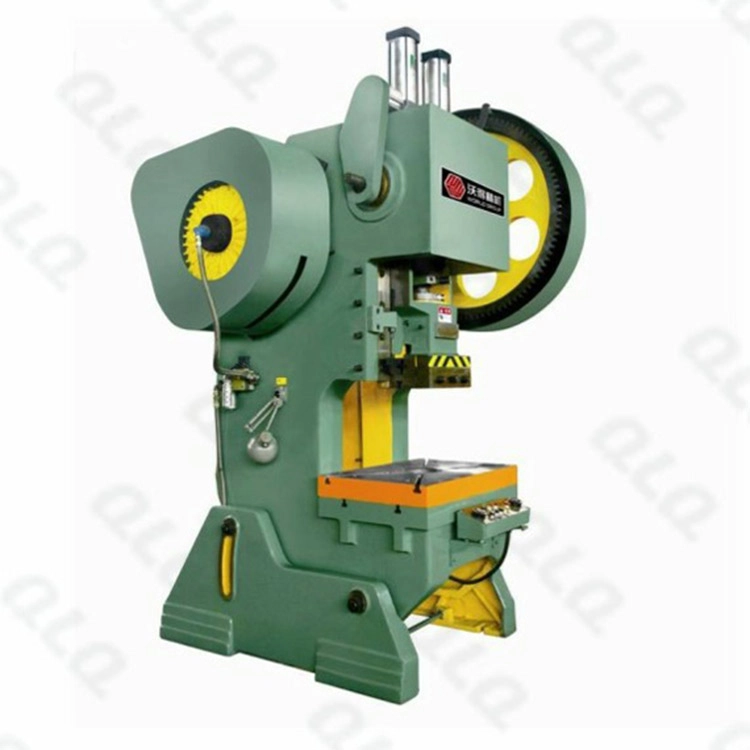
A stainless steel slider starts as flat strip and becomes a three-dimensional body inside a die: blanking cuts the outline, forming bends the channel and locking surfaces, and every bend fights back with springback because stainless is harder and stronger than brass. The die, the press and the strip hardness decide whether the slider fits the chain and locks reliably.
This guide explains the stamping process for stainless sliders: blanking and forming steps, progressive dies for high volume, springback compensation, die materials that survive stainless wear, and the press and strip checks that keep dimensions stable.
Common Mistakes and How to Avoid Them
The pitfalls that show up most often in real projects, with the cause and the practical fix.
| Mistake | Why It Happens | Practical Fix |
|---|---|---|
| 1. Building the die before confirming strip hardness | Springback and wear change with hardness | Confirm grade and hardness before die design |
| 2. Ignoring springback compensation | Bend angles open after forming | Over-bend or coining in the die; trial and adjust |
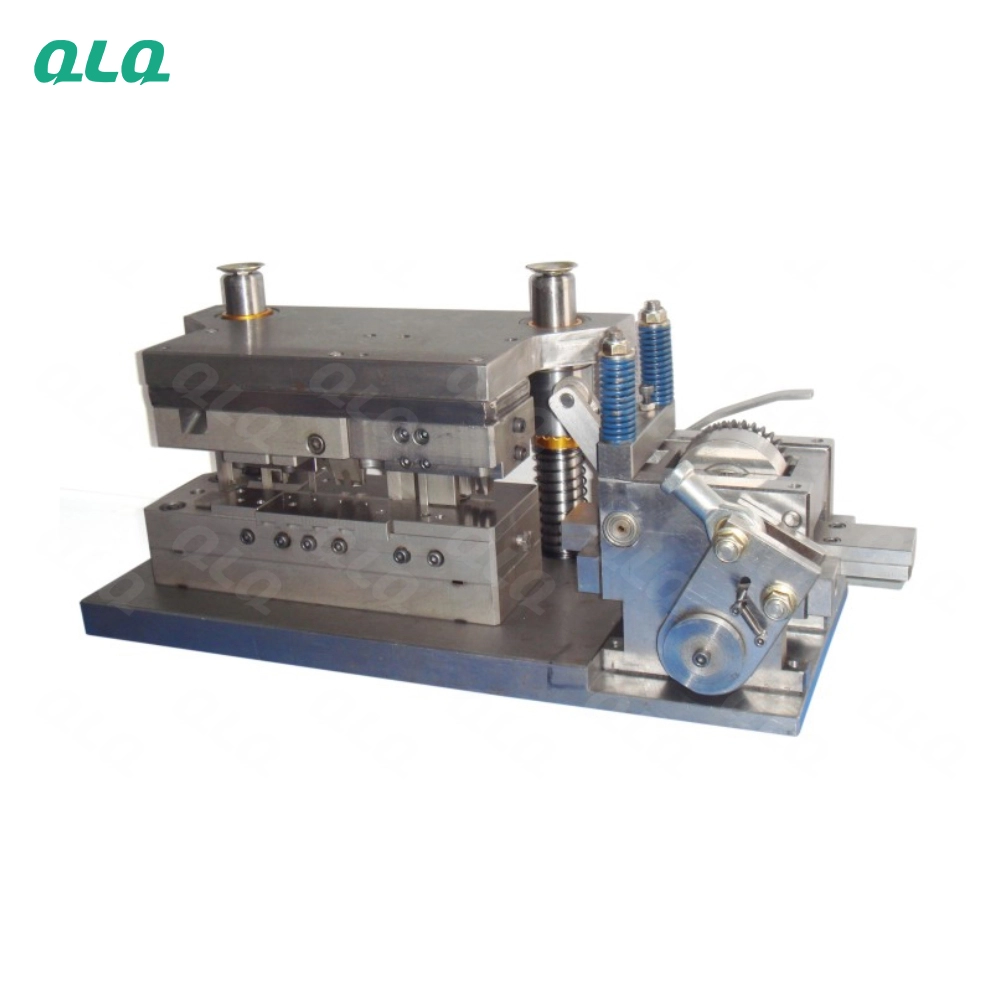
| 3. Using soft die steel for stainless | Dies wear fast on hard stainless strip | Use tungsten, Cr12MoV or SKD11 for stainless work |
| 4. Blanked edge burrs not controlled | Burrs cause rough slide feel and scratches | Control die clearance; add deburring step |
| 5. Press speed forced too high | Strip heating and inconsistent forming | Run at the speed the die and strip allow |
| 6. No strip thickness control | Dimension and lock force drift | Check incoming thickness per coil |
| 7. Poor strip feeding alignment | Partial blanks and damaged dies | Check feeder alignment and strip width |
| 8. No lubrication plan | Galling and die wear on stainless | Use the right stamping lubricant for stainless |
| 9. Skipping trial shots | Design errors run into production | Trial the die and measure first parts |
| 10. No die maintenance schedule | Flash and burrs grow slowly | Inspect and sharpen dies on schedule |
Best Practices That Hold Up in Production
The operating disciplines that separate a reliable line from a reactive one.
- Confirm grade and hardness before die design
- Compensate springback in the die and verify by trial
- Use tungsten, Cr12MoV or SKD11 for stainless dies
- Control die clearance to minimize burrs
- Run the press at the speed the die allows
- Check strip thickness and alignment per coil
- Use stainless-specific stamping lubricant
- Inspect and maintain dies on schedule
Implementation Roadmap
A practical sequence that can be adapted to your own project.
Working Data & Formula Notes
Stainless slider stamping data
Reference guidance from QLQ stainless slider notes; exact tonnage and springback are confirmed by die trial with your strip.
| Component / Parameter | Working Value / Role | What Changes Mean (annotation) |
|---|---|---|
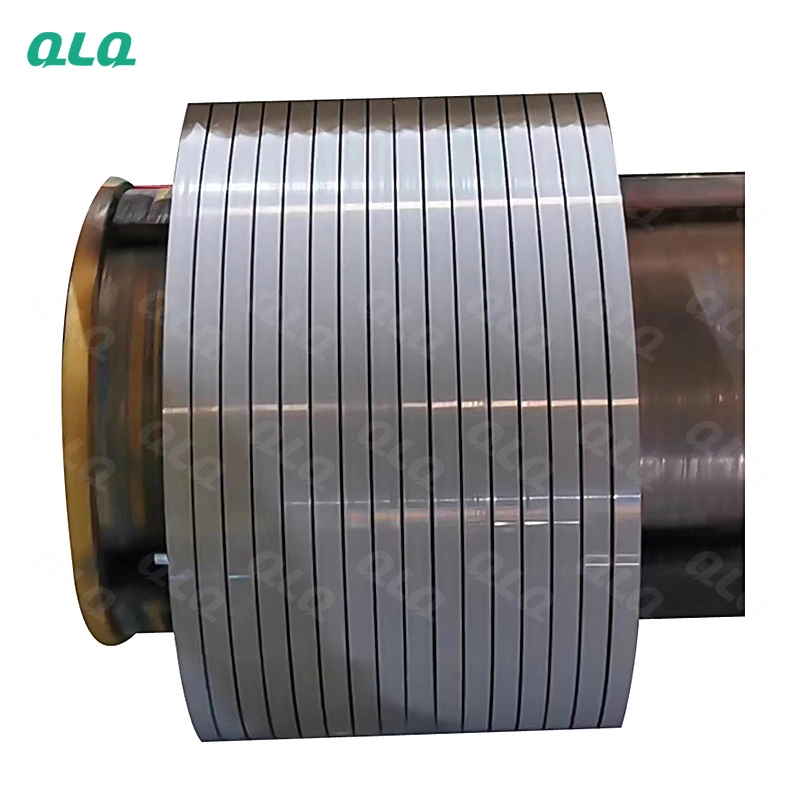
| Material | Stainless strip 304/316 or magnetic series | Grade and hardness drive die wear and springback |
| Process | Blanking, forming, deburring, cleaning, assembly | Each step must be controlled for fit |
| Die material | Tungsten, Cr12MoV, SKD11 | Soft die steel fails fast on stainless |
| Springback | Stainless bends back after forming | Compensate with over-bend or coining |
| Burr control | Die clearance + deburring | Burrs ruin slide feel and assembly |
| Lubrication | Stainless-specific stamping oil | Prevents galling and die wear |
| Press check | Tonnage and parallelism | Wrong press setup damages dies |
Reference Data
Specifications and references cited in this guide. Confirm final parameters with your line supplier.
Stamping steps for a stainless slider body
| Blanking | Cut the outline from strip | Clean edges, minimal burr |
| Forming channel | Bend the running channel | Springback compensated |
| Forming lock features | Bend locking surfaces | Geometry must match the chain |
| Piercing / holes | Holes for puller and spring | Position accuracy |
| Deburring | Remove edge burrs | Protects feel and assembly |
| Cleaning | Remove oil and particles | Prepares for assembly or finish |
Die material selection for stainless work
| Tungsten carbide | Highest wear resistance | High-volume stainless runs |
| Cr12MoV | Tough cold-work steel | General stainless dies |
| SKD11 | Wear-resistant tool steel | Forming and blanking tools |
| Coated inserts | PVD-coated for edge life | Wear points and fine edges |
Trial and first-piece checks
| Dimension | Channel and overall size | Against drawing |
| Springback angle | Bend angles after release | Adjust over-bend if open |
| Burr level | Edge burr height | Deburr if over limit |
| Surface | No scratches or die marks | Appearance and corrosion |
| Assembly test | Puller and spring fit | Functional check |
Implementation Cases
Case 1 - springback fixed by over-bend in the die
Situation. A stainless slider die in Turkey produced channels that opened 2-3 degrees after forming, causing loose fit on the chain.
Approach. The die was adjusted to over-bend the channel past the target angle so it relaxed into spec after release. Trial parts were measured after full release, not at the press.
Outcome. Channel geometry came into tolerance and the loose-fit complaints stopped without changing the strip.
Case 2 - die wear reduced with tungsten inserts
Situation. A stainless slider factory in India was sharpening its forming die every two weeks because the hard strip wore the steel edges.
Approach. Wear points were converted to tungsten carbide inserts with PVD coating, and the lubrication was changed to a stainless-specific stamping oil.
Outcome. Die service life between sharpenings more than doubled and burr-related rejects dropped.
Frequently Asked Questions
How is a stainless steel slider made?
Stainless strip is blanked and formed in a die, then deburred, cleaned, and assembled with the puller and lock parts. Progressive dies combine the steps for high volume.
Why do my stainless slider bends spring open?
Stainless is strong and springs back after forming. The die must over-bend or coin the angle so the part relaxes into spec. Measure after full release, not at the press.
What die material is best for stainless?
Tungsten carbide, Cr12MoV or SKD11 survive stainless wear far better than soft die steel. Confirm the strip hardness before selecting the die material.
Why do I get burrs on my stamped sliders?
Burrs come from die clearance that is too large or worn edges. Control the clearance and add a deburring step, because burrs ruin slide feel and assembly.
Does strip hardness affect my dies?
Yes. Harder strip wears dies faster and changes springback. Confirm the grade and hardness per coil and keep lots separate.
What press tonnage do I need for stainless sliders?
Stainless needs more force than brass for the same part. Size the press from the actual stamping load calculation and confirm by trial; do not guess from brass experience.
Should I lubricate stainless stamping?
Yes. Use a stainless-specific stamping lubricant to prevent galling and die wear. The wrong oil can weld chips onto the die.
How often should I maintain the die?
Inspect after each run and sharpen on a schedule based on part count. Track burr growth - when burrs rise, the die needs attention.
What Would You Like to Solve?
Send us your slider drawing, strip grade and current burr or springback issues, and we can help you set the die design, material, press parameters and maintenance schedule for stable stainless stamping.
Published by QLQ - a complete high-quality zipper manufacturing equipment, moulds and materials solution supplier, and the only supplier in China covering the full process chain from raw material through electroplating and painting as one integrated system. Values cited are project references; confirm with your line supplier before specification.