

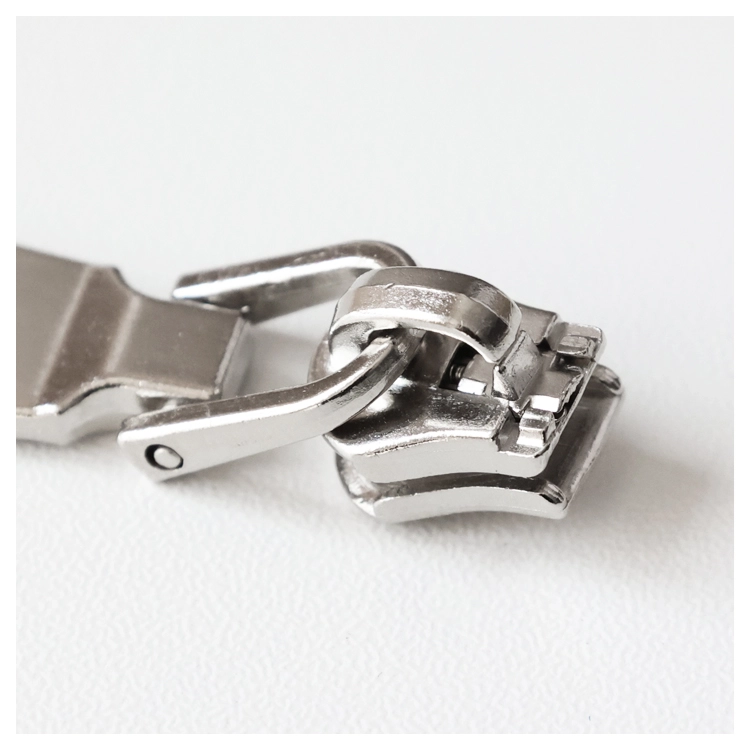
Stainless steel is called stainless because it resists corrosion, not because it never corrodes. A stamped slider can rust at the cut edges, under embedded iron particles, or where the surface was scratched during deburring - and the rust usually appears weeks later, at the customer.
This guide explains why stainless sliders develop rust spots, how passivation and electropolishing restore the protective layer, and how to use salt spray testing at 48-96 hours or more to prove the surface is under control before shipment.
Common Mistakes and How to Avoid Them
The pitfalls that show up most often in real projects, with the cause and the practical fix.
| Mistake | Why It Happens | Practical Fix |
|---|---|---|
| 1. Believing stainless never rusts | Contamination and damage cause real rust | Treat stainless as corrosion-resistant but not immune |
| 2. Skipping passivation after mechanical work | Free iron from tooling stays on the surface | Passivate after deburring, polishing and assembly handling |
| 3. Polishing with contaminated media | Iron particles embed and rust later | Keep stainless media and equipment iron-free |
| 4. Using carbon steel brushes on stainless | Brushes transfer iron to the surface | Use stainless-specific brushes and wheels |
| 5. No cleaning after stamping oil | Oil residue traps dirt under the passive film | Clean parts before passivation |
| 6. Salt spray skipped on new coils | Grade or surface changes go unnoticed | Run salt spray baseline per coil lot |
| 7. Scratched parts shipped | Scratches break the film and start corrosion | Control handling and check appearance |
| 8. Chloride exposure ignored | Marine use is harder than general outdoor | Choose 316 for seawater; confirm with salt spray |
| 9. No drying after rinsing | Water spots and localized corrosion | Dry promptly with clean equipment |
| 10. Testing only the first sample | Later batches can differ | Sample per batch on a schedule |
Best Practices That Hold Up in Production
The operating disciplines that separate a reliable line from a reactive one.
- Passivate after mechanical work and before packing
- Keep stainless tooling, media and brushes iron-free
- Clean parts thoroughly before passivation
- Run salt spray per coil lot and per batch
- Control handling to avoid scratches
- Dry parts promptly after rinsing
- Choose 316 for marine exposure
- Keep records of passivation and salt spray per batch
Implementation Roadmap
A practical sequence that can be adapted to your own project.
Working Data & Formula Notes
Corrosion control data for stainless sliders
Reference guidance from QLQ stainless notes; passivation chemistry and salt spray targets come from your customer spec and chemistry supplier.
| Component / Parameter | Working Value / Role | What Changes Mean (annotation) |
|---|---|---|
| Salt spray target | 48-96 hours or more | The customer target decides the process; confirm before quoting |
| Passivation role | Removes free iron, restores passive film | Mechanical work leaves iron that rusts without passivation |
| Electropolish role | Removes a thin layer, improves gloss | Also removes embedded contamination |
| Tooling rule | Iron-free media and brushes for stainless | Carbon steel tools transfer rust-causing iron |
| Cleaning | Before passivation and after polishing | Residue blocks the chemical treatment |
| Grade effect | 316 better than 304 in salt | Confirm grade for marine orders |
| Handling | Clean gloves, no scratches | Scratches are corrosion starting points |
Reference Data
Specifications and references cited in this guide. Confirm final parameters with your line supplier.
Rust causes and prevention by process step
| Stamping | Embedded iron from worn dies | Maintain dies; clean parts |
| Deburring/polishing | Contaminated media transfers iron | Iron-free media for stainless |
| Washing | Oil residue left on surface | Clean before passivation |
| Passivation | Skipped or short bath | Follow the recommended time and temperature |
| Drying | Water left on parts | Dry promptly |
| Handling | Carbon steel tools and scratches | Stainless tools, clean gloves |
Passivation and electropolish comparison
| Passivation | Removes free iron, restores film | Standard corrosion control |
| Electropolishing | Removes a thin surface layer | Gloss and corrosion improvement |
| Both used together | Passivate after electropolish | Best for premium marine parts |
Salt spray testing plan
| New coil lot | Baseline sample | Confirms grade and surface |
| New process setting | Sample after change | Catches contamination |
| Per production batch | Scheduled sample | Confirms consistency |
| Before marine shipment | Every lot | Customer requirement |
Implementation Cases
Case 1 - late rust traced to contaminated polishing media
Situation. A stainless slider factory in Vietnam saw rust spots appear on sliders weeks after shipment, although the parts looked clean at packing.
Approach. Investigation found the vibratory media had been used earlier for carbon steel parts and had embedded iron particles in the stainless surface. The media was replaced with stainless-only media and a passivation step was added after polishing.
Outcome. Late rust complaints stopped and the factory separated all stainless tooling and media from carbon steel work.
Case 2 - marine customer required salt spray proof
Situation. A boat-cover customer in Europe required stainless sliders to pass 72-hour salt spray before acceptance.
Approach. The factory added electropolishing plus passivation, switched the spring wire to 316, and started testing every lot in the salt spray chamber with a signed record.
Outcome. The customer accepted the lot-based test data and the factory now uses the records as a sales document for marine orders.
Frequently Asked Questions
Why does my stainless slider rust?
Stainless resists corrosion but rusts when free iron, contamination or scratches break the passive film. Common sources are carbon steel tooling, contaminated media and skipped cleaning.
What is passivation?
Passivation is a chemical treatment that removes free iron from the surface and restores the protective oxide film. It is the standard corrosion control after mechanical work.
What is the difference between passivation and electropolishing?
Passivation cleans and restores the film; electropolishing removes a thin surface layer for gloss and also removes embedded contamination. Many premium parts use electropolishing then passivation.
How many salt spray hours should stainless sliders pass?
Quality stainless parts are often tested at 48-96 hours or more, depending on the customer. Confirm the target before quoting and test every new coil lot.
Can I use the same polishing media for steel and stainless?
No. Media used on carbon steel embeds iron particles into stainless and causes rust. Keep stainless media and equipment separate.
Why do rust spots appear weeks after shipment?
Late rust usually comes from embedded iron, residue under the surface film, or scratches made during handling. The process must clean, passivate and protect the parts before packing.
Do scratches really matter on stainless?
Yes. A scratch breaks the passive film and becomes a starting point for corrosion, especially in salt environments. Control handling and check appearance before packing.
When should I choose 316 over 304?
For constant seawater and marine exposure, 316 with molybdenum resists chloride pitting much better than 304. Confirm the grade and run salt spray on the actual parts.
What Would You Like to Solve?
Tell us your corrosion target, salt spray hours and application environment, and we can help you build the cleaning, passivation, electropolishing and testing routine that keeps stainless sliders rust-free in the field.
Published by QLQ - a complete high-quality zipper manufacturing equipment, moulds and materials solution supplier, and the only supplier in China covering the full process chain from raw material through electroplating and painting as one integrated system. Values cited are project references; confirm with your line supplier before specification.