
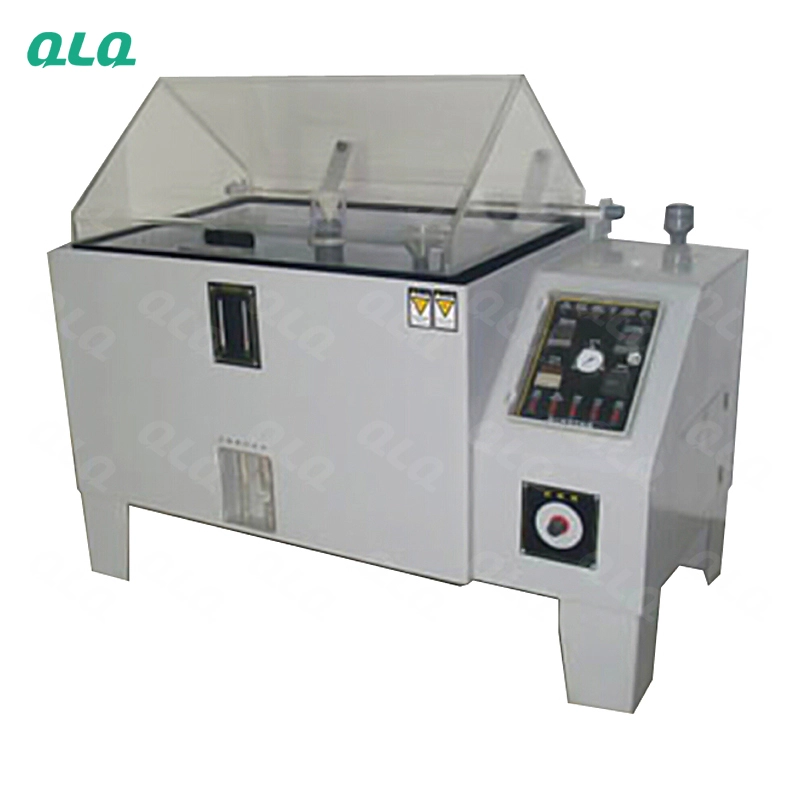
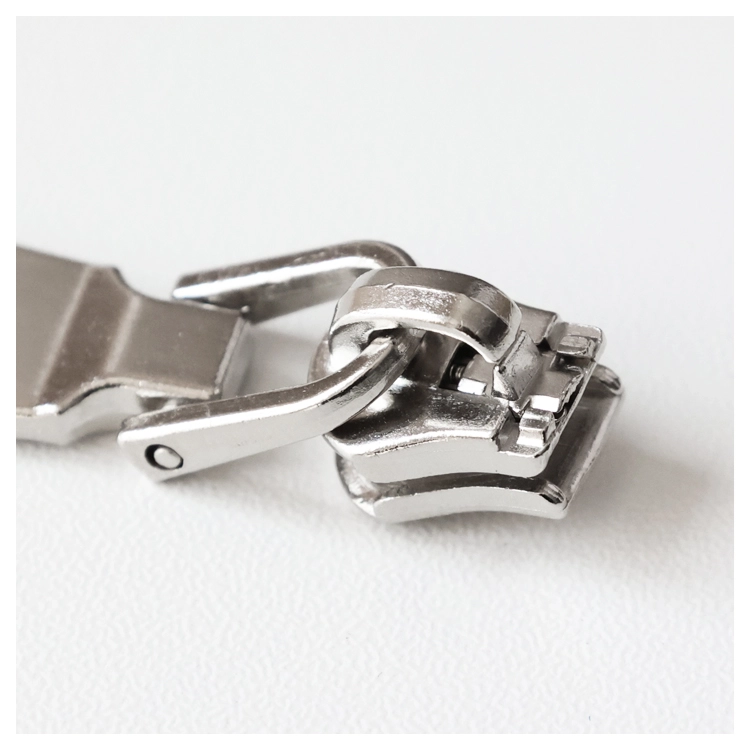
A stainless slider earns its price in the test lab, not in the brochure: salt spray proves the corrosion story, lock force proves the auto-lock function, pull retention proves the puller will stay attached, and appearance checks prove the surface survived stamping and finishing. Testing is what separates a premium marine slider from a stamped part that happens to be shiny.
This guide defines the quality and testing plan for stainless sliders - salt spray hours, lock and release force, puller retention, cycling, dimension and appearance - with the sampling frequency and records that customers and auditors expect.
Common Mistakes and How to Avoid Them
The pitfalls that show up most often in real projects, with the cause and the practical fix.
| Mistake | Why It Happens | Practical Fix |
|---|---|---|
| 1. Testing only dimensions | Corrosion and function defects pass | Add salt spray, lock, retention and cycling |
| 2. Salt spray only on first samples | Coil or process changes go unnoticed | Test per coil lot and per batch on a schedule |
| 3. No lock force target | Every tester has a different opinion | Write the force range from the customer spec |
| 4. No puller retention test | Pullers detach in use | Test retention with the defined force |
| 5. Skipping cycling for auto-lock | Failures appear after many cycles | Run repeated cycling on samples |
| 6. Comparing rust spots without a standard | Minor spots judged differently | Define acceptance by hours and rating |
| 7. No calibration schedule | Tester drift gives false results | Calibrate force, cycle and salt spray equipment |
| 8. Records without batch numbers | Results cannot be traced | Tie every test to batch and coil lot |
| 9. Inspecting only the operator | Two inspectors see differently | Train inspectors to one method |
| 10. Shipping before the test result | Marine orders leave untested | Release only after the test passes |
Best Practices That Hold Up in Production
The operating disciplines that separate a reliable line from a reactive one.
- Test salt spray per coil lot and production batch
- Write lock force and retention targets from the customer spec
- Run cycling samples for auto-lock sliders
- Define rust acceptance by hours and rating
- Calibrate test equipment on schedule
- Tie every test result to batch and coil lot
- Train inspectors to one standard method
- Release product only after the required test passes
Implementation Roadmap
A practical sequence that can be adapted to your own project.
Working Data & Formula Notes
Stainless slider test data
Reference guidance from QLQ notes; acceptance limits are set by the customer standard and governing specification.
| Component / Parameter | Working Value / Role | What Changes Mean (annotation) |
|---|---|---|
| Salt spray | 48-96 hours or more | Test per coil lot; late rust traces to surface contamination |
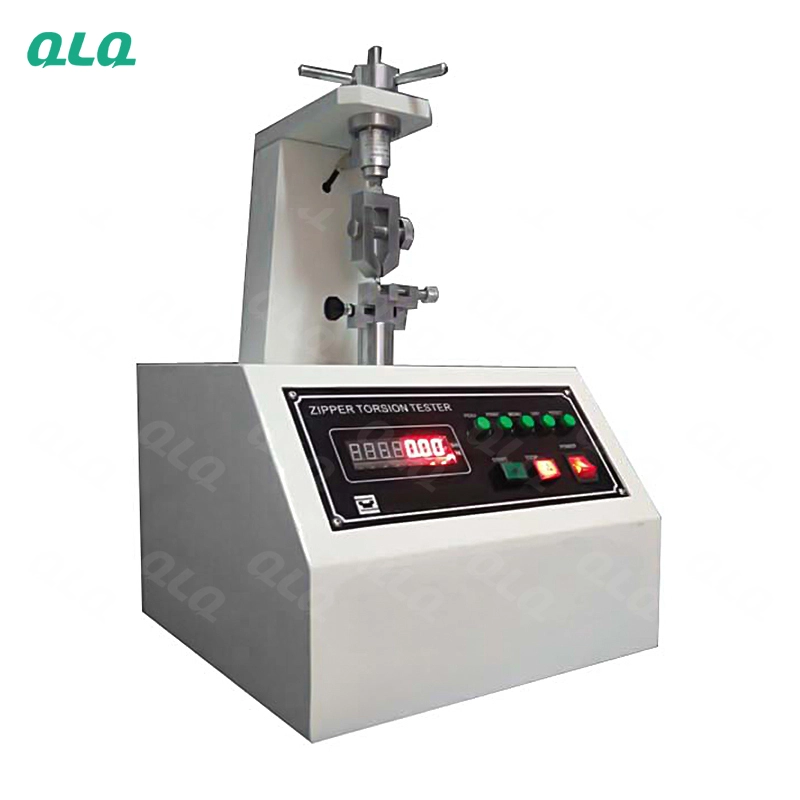
| Lock force | Within customer range | Too weak opens by itself; too strong is hard to pull |
| Pull retention | Puller remains attached under force | Weak retention fails in use |
| Cycling | Repeated open-close target | Catches wear and spring fatigue |
| Dimension | Channel and body per drawing | Protects chain fit |
| Appearance | No rust, scratches or contamination | Surface defines perceived quality |
| Calibration | Force, cycle, salt spray on schedule | Drift creates false passes |
Reference Data
Specifications and references cited in this guide. Confirm final parameters with your line supplier.
Test matrix for stainless sliders
| Salt spray | Corrosion resistance | Per coil lot and batch |
| Lock force | Auto-lock function | Sample per batch |
| Pull retention | Puller attachment | Sample per batch |
| Cycling | Durability | Scheduled samples |
| Dimension | Chain fit | First piece and hourly |
| Appearance | Surface quality | Per batch |
Sampling and release plan
| New coil lot | Salt spray baseline | Before production |
| First pieces | Full dimension and function | At setup |
| During run | Hourly sample | Process control |
| Per batch | Salt spray, lock, retention | Before packing |
| Final release | Records complete | Before shipping |
Calibration schedule
| Salt spray chamber | Annual + check samples | Consistent hours |
| Force tester | Annual + before campaigns | Accurate lock force |
| Cycling tester | Annual | Consistent counts |
| Gauges | Periodic check | Dimension accuracy |
Implementation Cases
Case 1 - salt spray gate caught a bad coil
Situation. A stainless slider factory in Vietnam added salt spray per coil lot and the first test of a new coil failed at 24 hours with rust spots.
Approach. The coil was quarantined and returned to the supplier with the test record. The replacement coil passed the same test before production.
Outcome. No untested coil entered production, and the salt spray gate became standard for every incoming lot.
Case 2 - lock force standard ended disputes
Situation. A customer in Turkey complained that some stainless YG sliders locked too hard, while the factory QC said they were normal.
Approach. The customer spec was converted into a measured force range, a force tester was added to QC, and inspectors were trained to the same method.
Outcome. Lock force disputes stopped, and the measured range is now printed on the QC sheet for every batch.
Frequently Asked Questions
What tests should a stainless slider pass?
Salt spray for corrosion, lock and release force for auto-lock, puller retention, repeated cycling, dimensions and appearance. The customer spec defines the exact limits.
How many salt spray hours do I need?
Quality stainless parts are commonly tested at 48-96 hours or more. Confirm the customer target, then test every new coil lot and on a per-batch schedule.
How do I measure lock force?
Use a force tester with the slider mounted on the reference chain, measuring the force to release or move the locked slider. Write the range from the customer spec.
What is puller retention testing?
A test that pulls the puller with a defined force to confirm it stays attached. Weak retention fails in daily use.
Why does my slider pass dimension but fail in the field?
Dimension is only one property. Corrosion, lock function and retention need their own tests; field failures usually come from a property you did not test.
How often should test equipment be calibrated?
Force, cycling and salt spray equipment should be calibrated on a fixed schedule - typically annually plus check samples - with certificates kept for audits.
How do I make test records customers accept?
Tie every result to the batch and coil lot, record the equipment and inspector, and keep retained samples. A simple per-batch sheet satisfies most audits.
Can QLQ supply stainless slider testing equipment?
Yes. QLQ supplies salt spray chambers, force testers, cycling testers and related equipment, and provides QC training on the test methods during commissioning.
What Would You Like to Solve?
Send us your customer specification - salt spray hours, lock force and cycling targets - and we can help you set the test matrix, sampling plan and records that let you release stainless sliders with confidence.
Published by QLQ - a complete high-quality zipper manufacturing equipment, moulds and materials solution supplier, and the only supplier in China covering the full process chain from raw material through electroplating and painting as one integrated system. Values cited are project references; confirm with your line supplier before specification.