
A zipper order is only as good as the standard it is tested against. The same #5 zipper can pass one customer and fail another, not because the product changed, but because the test method and acceptance limit changed. Understanding pull force, stop strength, slider cycling, color fastness and AQL sampling is what turns a factory from a producer of meters into a producer of accepted shipments.
This guide explains the standards zipper factories actually use - QB/T 2171/2172/2173, GB/T 18746, ASTM D2061 and BS 3084 - and maps each test to the equipment, the frequency, the typical limits and the records you need. It is written for QC managers, supervisors and owners who want a testing system that survives customer audits.
Common Mistakes and How to Avoid Them
The pitfalls that show up most often in real projects, with the cause and the practical fix.
| Mistake | Why It Happens | Practical Fix |
|---|---|---|
| 1. No incoming material inspection | Bad yarn, wire or pellets pass into production and defects appear later | Check certificates and samples of every incoming batch of yarn, wire, pellets and chemicals |
| 2. Testing only finished zippers | Root causes are buried by the time the zipper is assembled | Add in-process checkpoints after forming, stitching and plating |
| 3. Wrong AQL level for the customer | A product made to AQL 4.0 fails an AQL 1.0 customer | Confirm the sampling level in the order; write it into the QC plan |
| 4. No calibration schedule | A pull tester that reads high or low creates false passes and false rejects | Calibrate force, cycling and salt spray equipment on a fixed schedule with records |
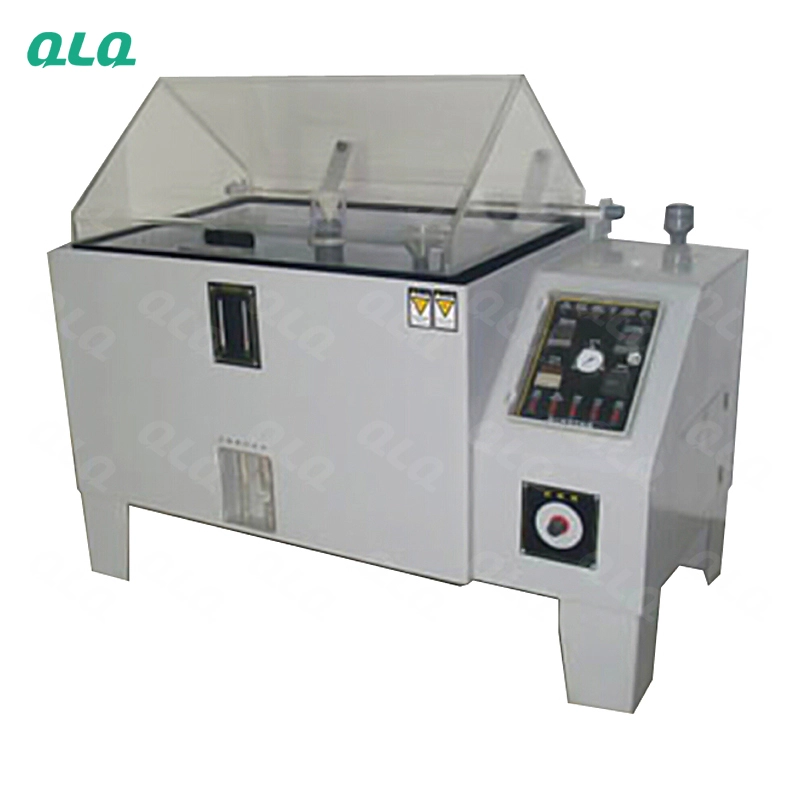
| 5. Skipping salt spray for metal parts | Corrosion failures appear months later at the customer | Run salt spray on plated metal teeth and sliders per the agreed hours |
| 6. Color matching by eye only | Lighting differences cause batches that look different outdoors | Use a color light box or color meter and compare against the approved sample |
| 7. No test records | You cannot defend a shipment or improve a process without data | Record batch, test results, equipment and inspector for every lot |
| 8. No retained samples | Disputes after shipment cannot be compared | Keep retained samples per batch for the claim period |
| 9. No standard for slider feel | Customers reject for smoothness, which has no number | Define a slide-resistance range and test it with the smoothness tester |
| 10. Inspectors not trained on methods | Different inspectors test differently, so results are not comparable | Train all inspectors on the same method and cross-check results |
Best Practices That Hold Up in Production
The operating disciplines that separate a reliable line from a reactive one.
- Agree the standard, AQL level and test list with the customer before mass production
- Test pull force and stop strength on every batch; cycling and salt spray on sampled lots
- Calibrate test equipment on a fixed schedule and keep the certificates
- Write test results by batch number with the equipment used and the inspector name
- Use AQL 2.5 as the default for general orders, 1.0-1.5 for demanding customers
- Keep a color light box and approved samples at the QC station
- Retain samples of every batch for the claim period
- Review monthly test data to find the station that needs the most improvement
Implementation Roadmap
A practical sequence that can be adapted to your own project.
Working Data & Formula Notes
Pull-force and stop-strength reference data
Values are common reference ranges for finished zippers; the acceptance limits must be agreed with the customer and the governing standard. The annotation explains what happens when a test is skipped or the limit is wrong.
| Component / Parameter | Working Value / Role | What Changes Mean (annotation) |
|---|---|---|
| Nylon/plastic #3 pull force | 250-350 N crosswise | Below range risks tape or teeth failure in light garments; over-testing with wrong jaws gives false numbers |
| Nylon/plastic #5 pull force | 400-550 N crosswise | The most common standard size; a failed test usually traces to stitching density or monofilament quality |
| Nylon/plastic #8 pull force | 600-800 N crosswise | Weak results here often mean tape strength, not teeth; check the weaving spec |
| Nylon/plastic #10 pull force | 800-1000 N crosswise | Used for heavy bags and outdoor; confirm the customer limit before production |
| Metal #5 pull force | 800-1000 N crosswise | Metal teeth usually pass if wire and stamping are stable; failures point to wire quality or mold wear |
| #5 top stop strength | 80-120 N typical | Low values cause slider pull-off; ultrasonic energy and stop feeding are the usual fixes |
| #5 bottom stop strength | 100-150 N typical | Low values cause chain separation at the bottom; check stop crimp or injection fill |
| AQL sampling levels | 1.0 high-end, 1.5 general, 2.5 standard, 4.0 internal | Using the wrong level either rejects good goods or ships bad ones - confirm with the order |
Reference Data
Specifications and references cited in this guide. Confirm final parameters with your line supplier.
Test methods, equipment and standards
| Crosswise pull force | Pull tester (e.g. MK-2171L) | QB/T 2171 / ASTM D2061 / BS 3084 |
| Top and bottom stop strength | Pull tester with stop fixtures | QB/T 2171 / BS 3084 |
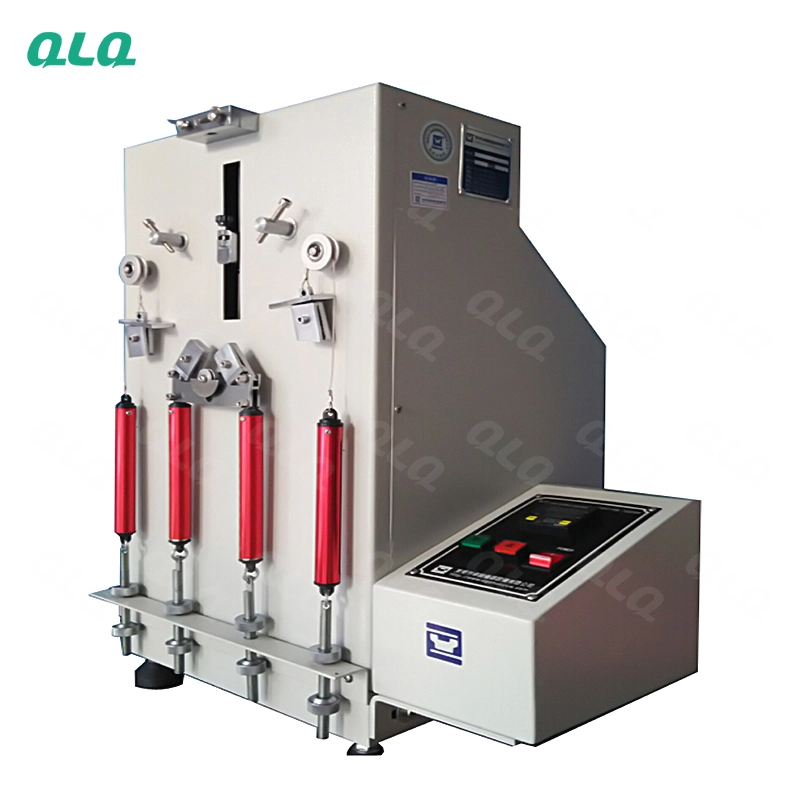
| Slider cycling | Reciprocating fatigue tester (e.g. QB-8347) | QB/T 2171 |
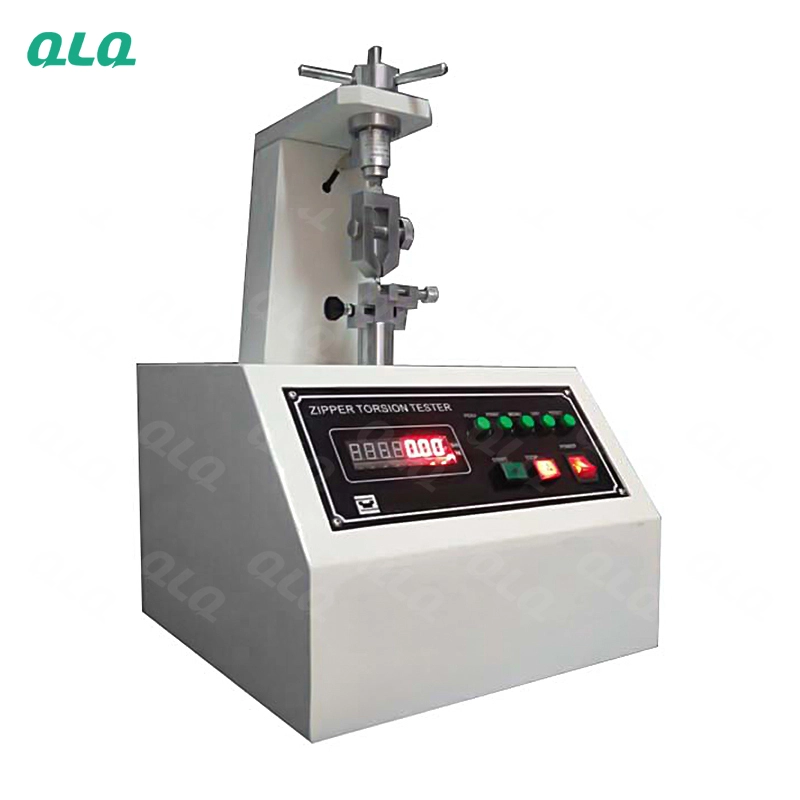
| Slider lock and torsion | Slider torsion test machine | Per customer / BS 3084 |
| Color fastness | Wash, rub and light fastness testers | AATCC / ISO methods |
| Corrosion resistance | Saline spray test chamber | ISO 9227-style exposure |
| Slide smoothness | Light-smoothness tester | QB/T 2171 |
| Dimensions | Caliper, gauge and projection tools | Per drawing |
Quality gate flow with responsibility
| Incoming inspection | Every batch of yarn, wire, pellets, chemicals and sliders | Material certificate + sample check |
| In-process control | Per shift at forming, stitching, injection, plating, painting | Parameters recorded and signed |
| Final inspection | Per lot before packing | Appearance, dimensions, pull force, stops, slider feel |
| Outgoing check | Per shipment | Quantity, label, packing and document review |
| Retained sample | Per batch | Stored for the claim period |
Implementation Cases
Case 1 - a garment exporter qualifying under BS 3084
Situation. A garment manufacturer in Poland was asked by a UK customer to supply jackets with zippers certified to BS 3084, including pull force, stop strength and cycling records for every lot.
Approach. The factory set up a QC gate at final inspection with a pull tester, cycling tester and a BS 3084 test plan, trained two inspectors on the methods, and started recording batch results with retained samples.
Outcome. The factory passed the customer audit and now uses the same records for other export orders, without adding a second QC team.
Case 2 - a bag factory cutting returns with AQL 2.5 and salt spray testing
Situation. A bag manufacturer in Southeast Asia was receiving 3-4% returns on metal zipper sliders for corrosion and color difference, mostly after warehousing.
Approach. The supplier introduced AQL 2.5 sampling on every batch, added salt spray and color light box checks for plated sliders, and kept retained samples per batch.
Outcome. Return rate dropped below 1% within three months, and the salt spray data identified one plating bath that needed correction.
Frequently Asked Questions
Which standards should a zipper factory use?
The common reference set is QB/T 2171 (metal), QB/T 2172 (plastic) and QB/T 2173 (nylon) in China, plus ASTM D2061 in the US market and BS 3084 in the UK/Commonwealth market. GB/T 18746 defines zipper terminology. Confirm which standard your customer’s order references.
What is the minimum pull force for a #5 zipper?
Reference ranges are 400-550 N for nylon/plastic #5 and 800-1000 N for metal #5 crosswise pull force, but the acceptance limit is set by the customer’s standard. Always test against the order, not against a general table.
What equipment do I need for zipper testing?
At minimum: a pull tester (top stop, bottom stop, crosswise), a slider cycling tester, a smoothness tester, calipers and a color light box. Metal zipper makers should add a salt spray chamber and, ideally, a coating thickness gauge.
What does AQL 2.5 mean for my shipments?
AQL 2.5 is a sampling plan where a small sample per lot is inspected and the lot is accepted if the number of defects is within the allowed limit. It is a common default for general orders; demanding customers may require AQL 1.0-1.5.
How often should test equipment be calibrated?
Force testers, cycling testers and salt spray chambers should be calibrated on a fixed schedule - typically annually with the manufacturer, plus regular check fixtures between calibrations. Keep certificates on file for customer audits.
Do metal zippers really need salt spray testing?
Yes, if corrosion resistance matters to the customer. Salt spray hours are agreed per order (e.g. 24/48/72 hours), and the test checks that plating thickness and sealing are correct before shipment, not after complaints.
Why does my zipper fail pull force even though the teeth look fine?
Pull force depends on the whole system: tape strength, stitching or fixing density, tooth material and stop design. A failed test usually needs the tape and stitching checked first, not the teeth replaced.
How do I keep test records that customers accept?
Record batch number, product, test items, results, equipment used, inspector and date, with retained samples. A simple per-lot QC sheet satisfies most audits if the methods match the agreed standard.
Can QLQ supply the testing equipment and train my QC team?
Yes. QLQ supplies pull testers, cycling testers, slider torsion testers, salt spray chambers and related testing machines, and provides QC training on defect recognition and testing methods during commissioning.
What Would You Like to Solve?
Tell us which markets and customers you ship to, and we can help you define the right test list, AQL level and QC gate structure - including the equipment set that covers pull force, cycling, salt spray and color control without over-investing.
Published by QLQ - a complete high-quality zipper manufacturing equipment, moulds and materials solution supplier, and the only supplier in China covering the full process chain from raw material through electroplating and painting as one integrated system. Values cited are project references; confirm with your line supplier before specification.