
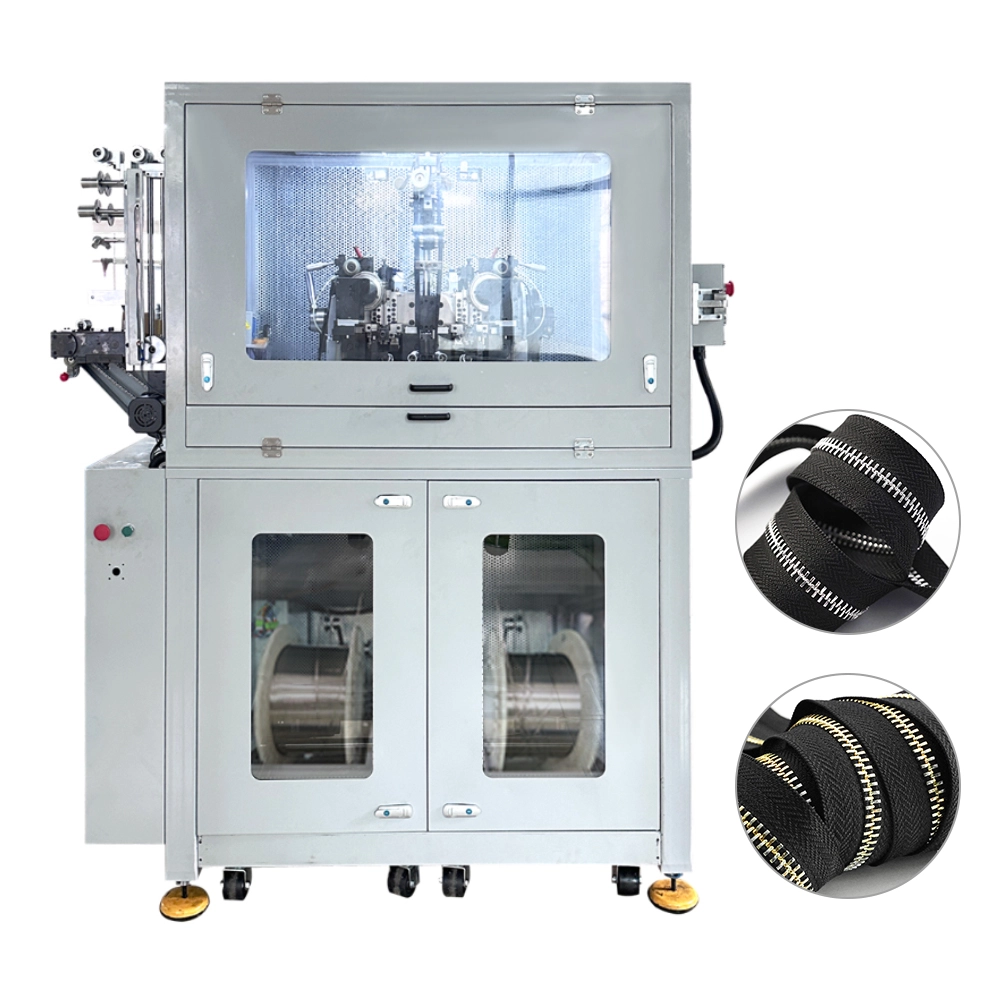
Defects in a zipper line rarely announce themselves: a skip appears every few meters, a plating blister shows up after drying, a batch of sliders feels rough. How fast the line recovers depends on whether the team records the defect, follows a fixed analysis order, and changes one parameter at a time - or starts turning knobs and hoping.
This guide compiles the defects that appear most often in nylon, metal and plastic zipper production - skip teeth, crooked teeth, loose teeth, plating and painting failures, slider jams, length errors - with the likely causes and practical fixes. It is written for technicians and supervisors who need a structured troubleshooting method they can use on the floor.
Common Mistakes and How to Avoid Them
The pitfalls that show up most often in real projects, with the cause and the practical fix.
| Mistake | Why It Happens | Practical Fix |
|---|---|---|
| 1. Fixing the symptom, not the cause | Adjusting output or hiding rejects lets the same defect return tomorrow | Follow the analysis flow: observe, previous process, parameters, equipment, verify |
| 2. No defect records | Without counts by station, nobody knows which problem is actually biggest | Record defect type, station, quantity and time; review weekly |
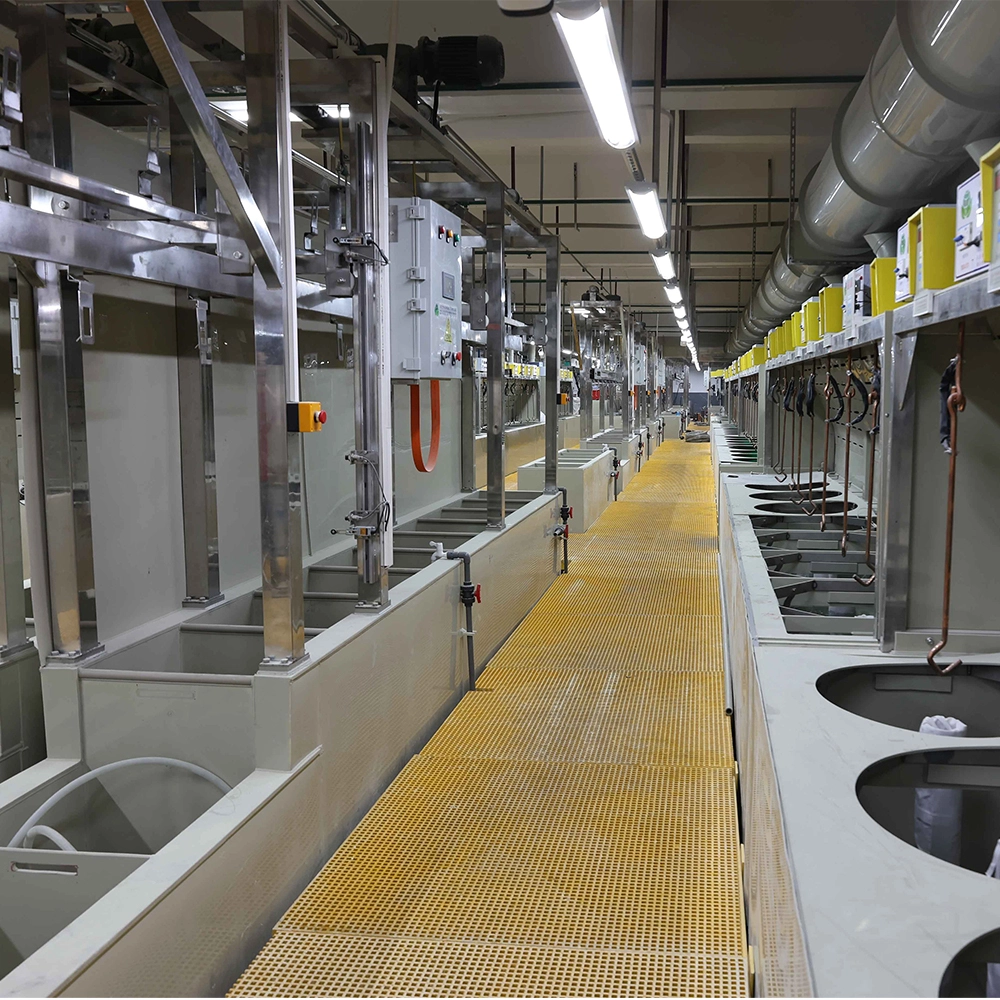
| 3. Skipping pretreatment on metal parts | Plating blisters and peeling almost always start with oil or oxide | Check degreasing, acid activation and water-break before the plating bath |
| 4. Using acid copper on zinc alloy | Ordinary acid copper etches zinc and causes corrosion under the layer | Use cyanide or alkaline copper for the zinc alloy base layer |
| 5. No bath control on plating lines | Haze, roughness and pinholes follow drifting chemistry | Analyze main salts weekly, dose brighteners by ampere-hours, and filter continuously |
| 6. Changing parameters randomly | Several knobs moved at once makes it impossible to find the cause | Change one parameter at a time and test after each change |
| 7. Ignoring material batch changes | A new lot of yarn, wire or pellets can change everything | Trace defects to the material batch and compare certificates |
| 8. No retained samples of the defect | Engineers cannot diagnose without seeing the failed piece | Keep failed samples with the batch number and defect description |
| 9. Ignoring environment | Dust, humidity and temperature shift painting and injection quality | Control the painting booth, drying area and injection hopper environment |
| 10. No standard analysis flow | Every technician solves in their own way and knowledge is lost | Print the 6-step analysis flow and use it for every defect |
Best Practices That Hold Up in Production
The operating disciplines that separate a reliable line from a reactive one.
- Use the fixed order: observe location and shape, check previous process, check parameters, check equipment, then verify the fix
- Keep a defect log per station with counts, times and batches
- Check water-break on pre-treated parts before plating; it predicts adhesion
- Run Hull cell tests on plating baths per shift and dose brighteners by ampere-hours
- Trace every defect to the material batch before blaming the machine
- Change one parameter at a time and record the result
- Keep failed samples with batch numbers for engineering review
- Turn repeat defects into a training topic for the station team
Implementation Roadmap
A practical sequence that can be adapted to your own project.
Working Data & Formula Notes
Defect-to-cause mapping with control checks
Practical mapping from QLQ process experience and quality notes. The control check column tells you what to measure before changing the machine.
| Component / Parameter | Working Value / Role | What Changes Mean (annotation) |
|---|---|---|
| Nylon skip teeth | Monofilament breakage or worn needle | Change needle, adjust tension, and check monofilament diameter |
| Nylon crooked teeth | Uneven tape tension | Adjust the guide and check tape width consistency |
| Rough slider feel | Tooth density or tension out of range | Check forming parameters and compare against the master sample |
| Metal skip teeth | Feeding position or mold wear | Check the feeder and mold; replace worn inserts |
| Metal loose teeth | Insufficient bite depth | Increase stamping depth within mold limits |
| Plating blister | Pretreatment not clean | Strengthen degreasing/acid activation; check water-break |
| Plating haze | Brightener under-dosed | Hull cell test and dose by ampere-hours |
| Plating roughness | Current too high or bath contaminated | Reduce current, filter bath, clean anodes |
| Plating pinholes | Wetting agent low or gas trapped | Check wetting agent, improve agitation |
| Plastic bubbles | Pellets moist or poor venting | Dry pellets first, then check mold venting |
| Paint runs | Paint too thin or too much spray | Adjust viscosity and spray volume |
| Paint orange peel | Solvent too fast or viscosity high | Adjust solvent blend and spray distance |
Reference Data
Specifications and references cited in this guide. Confirm final parameters with your line supplier.
Common defects by product type (quick reference)
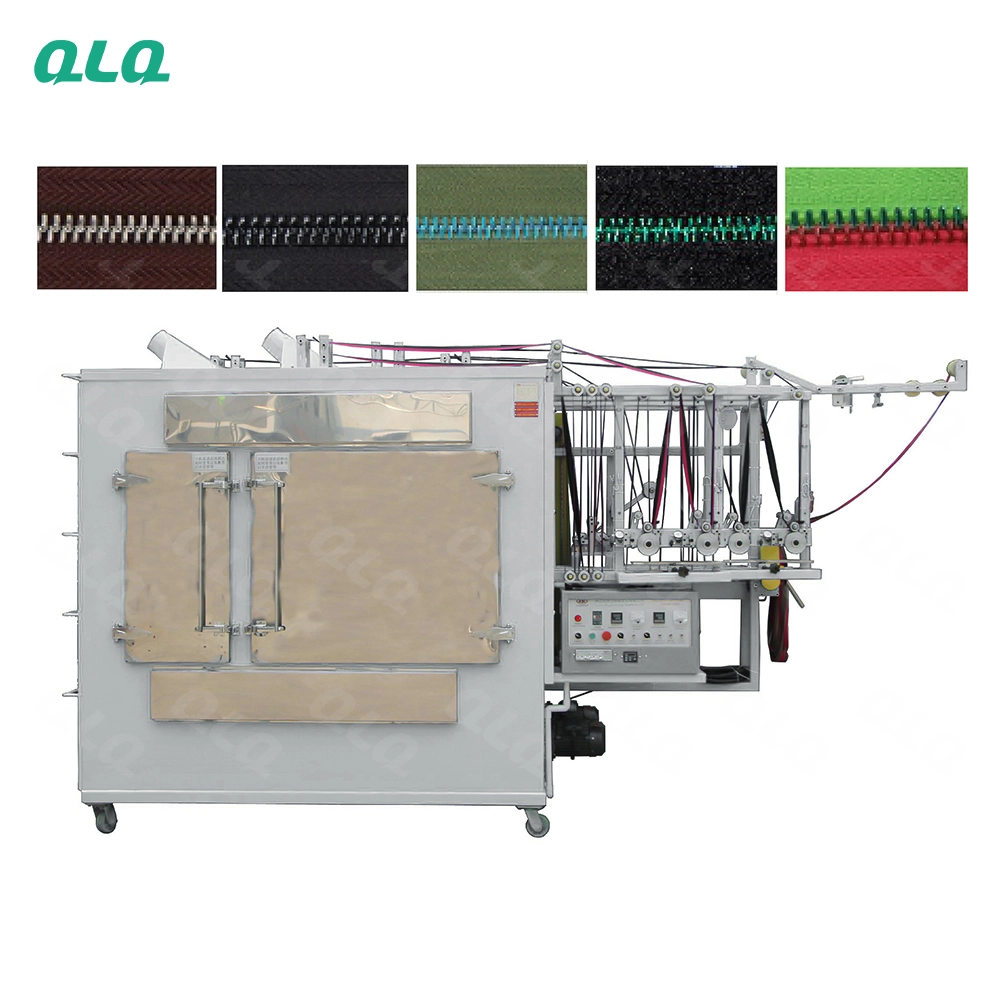
| Nylon | Skip teeth / crooked teeth / rough feel / color difference / tape shrinkage | Needle, tension, dye recipe, heat setting |
| Metal | Skip teeth / loose teeth / burrs / plating blister / plating color difference | Feeder, mold, stamping depth, pretreatment, bath control |
| Plastic | Short shot / flash / color difference / bubbles / low strength | Injection pressure, mold gap, mixing, drying, temperature |
| Slider | Jamming / lock failure / plating or paint peeling / deformation | Slider-to-chain match, spring assembly, pretreatment, material |
| Finished zipper | Length out of tolerance / stop pull-off / pin mismatch / wrong slider direction / batch color difference | Cutter calibration, ultrasonic energy, mold size, feeding, batch control |
Six-step defect analysis flow (print at the line)
| 1. Observe | Location, shape, distribution and frequency of the defect |
| 2. Previous process | Check the station before the one where the defect appears |
| 3. Parameters | Speed, tension, temperature, pressure, current, viscosity |
| 4. Equipment | Molds, needles, sensors, rollers, anodes, filters, nozzles |
| 5. Sample test | Adhesion, pull force, salt spray or feel test on the failed piece |
| 6. Verify fix | Change one parameter, run a small lot, confirm the defect is gone |
Implementation Cases
Case 1 - plating blister on metal zipper sliders
Situation. A metal zipper and slider plant in Vietnam saw plating blistering on 4-6% of nickel-plated sliders, mostly after drying, and had already changed the nickel bath twice.
Approach. The analysis flow was applied: the previous process (pretreatment) showed oil traces and an inconsistent water-break. Degreasing time was standardized, acid activation was checked against the "short not long" rule for zinc alloy, and a water-break check was added before plating.
Outcome. Blistering dropped below 0.5% within three weeks, and the retained samples proved the bath was not the cause.
Case 2 - intermittent skip teeth on a nylon line
Situation. A nylon zipper plant in Pakistan reported skip teeth appearing every 20-40 meters at random, which the team could not reproduce during maintenance.
Approach. The defect log showed the skips clustered with specific monofilament batches. Comparing certificates revealed diameter variation in those lots; the stitching needles were also found worn beyond tolerance. Both the material spec and the needle replacement schedule were updated.
Outcome. Skip frequency fell to an acceptable level within one batch cycle, and the plant added a needle-change record to the shift handover.
Frequently Asked Questions
Where should I start when a defect appears?
Record it first - type, location, quantity, batch and station - then follow the six-step flow: observe, check the previous process, check parameters, check equipment, test, and verify the fix. Change one parameter at a time; the biggest mistake is changing three things at once.
Why does my plated slider blister even after changing the bath?
Blistering is usually a pretreatment problem, not a bath problem: oil, oxide or poor activation under the plating. Check the water-break after pretreatment, and remember zinc alloy should not be over-pickled - short is safer than long.
What causes skip teeth on nylon zippers?
The common causes are monofilament breakage or diameter variation, worn needles, and unstable tension. Check the material batch first, then the needle and tension settings.
Why do plastic zipper teeth get bubbles?
Bubbles usually come from moist POM pellets or poor mold venting. Dry the pellets before production, then check the injection pressure and venting. Change one factor at a time and verify with a small run.
How do I fix uneven plating color?
Color difference is usually bath chemistry drift or uneven current. Analyze the main salts weekly, dose brighteners by ampere-hours, check anodes and contacts, and run a Hull cell test per shift.
What causes paint runs on sliders?
Runs are typically paint too thin or too much spray volume. Adjust the viscosity and reduce spray volume, then verify at the booth before changing the curing cycle.
Why does my top stop pull off in testing?
Top stop pull-off is usually ultrasonic energy or stop feeding. Check the energy setting, the stop wire or material, and the feeding position; the failure pattern (always, or intermittent) tells you which.
How do I stop the same defect from coming back?
Turn the defect into a control point: update the station SOP with the cause and fix, add it to operator training, and review the defect log monthly so the recurrence is caught early.
Can QLQ engineers help with defect analysis remotely?
Yes. QLQ provides remote technical support and, for persistent problems, on-site engineers who follow the same analysis flow with your team. Send the defect samples, batch records and current parameters to get a structured answer.
What Would You Like to Solve?
Send us a photo of the defect, the batch record and the current parameters, and we will walk the six-step analysis with you. For persistent issues, on-site engineering support can be arranged to fix the root cause and train your team on the method.
Published by QLQ - a complete high-quality zipper manufacturing equipment, moulds and materials solution supplier, and the only supplier in China covering the full process chain from raw material through electroplating and painting as one integrated system. Values cited are project references; confirm with your line supplier before specification.