
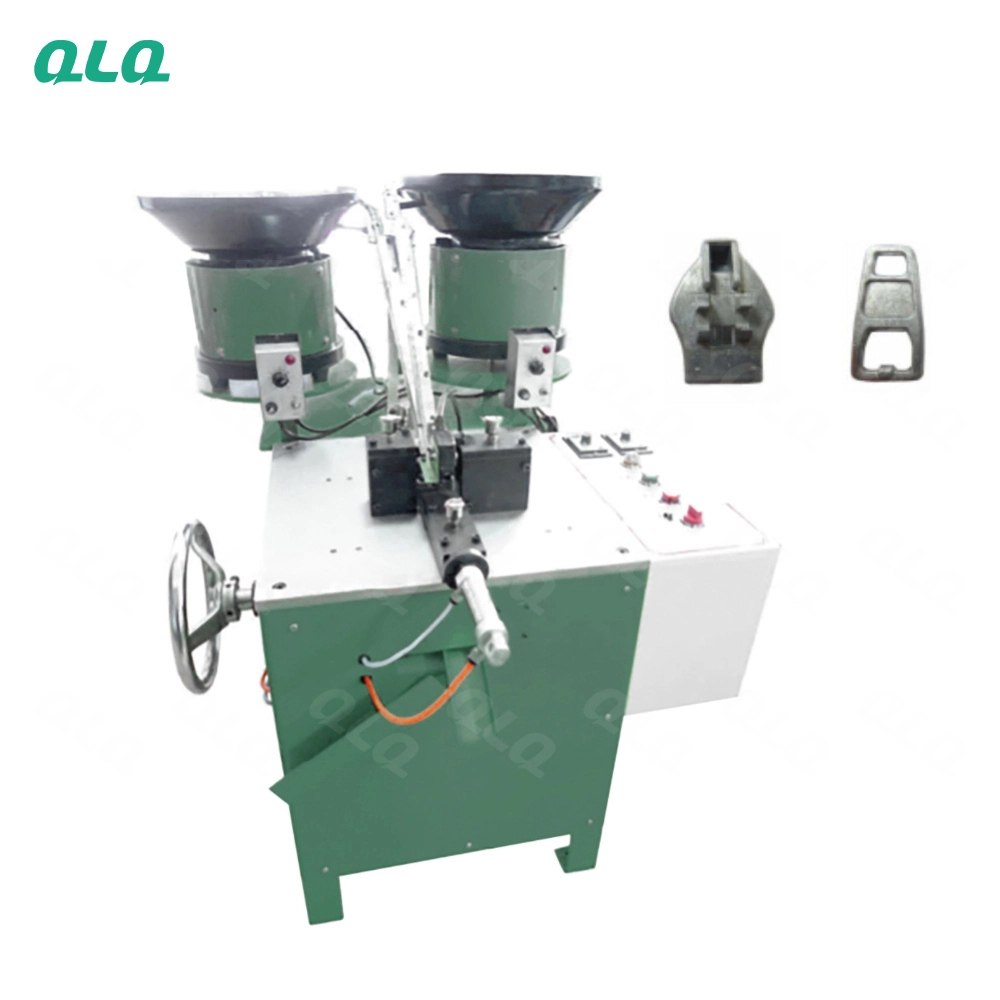
The YG slider is the part that keeps a zipper shut until the puller is lifted: the lock plate drops into the chain, the spring holds it there, and assembly determines whether that happens reliably for 100,000 cycles or fails in the first week. In stainless, every component is harder, spring wire is stronger, and assembly tolerances leave less room for error.
This guide covers auto-lock YG slider production in stainless steel: the components, how the assembly machine seats the spring and lock plate, typical outputs, and the tests - lock force, release and cycling - that prove reliability before shipment.

Common Mistakes and How to Avoid Them
The pitfalls that show up most often in real projects, with the cause and the practical fix.
| Mistake | Why It Happens | Practical Fix |
|---|---|---|
| 1. Assuming all springs are interchangeable | Lock force changes with spring type | Separate spring specs and label feeders |
| 2. No lock force test | Weak or strong locks reach customers | Test lock force on samples per batch |
| 3. No release test | Sliders that will not release are as bad as sliders that will not lock | Check pull-up release on the same samples |
| 4. Assembly tolerance ignored | Too-tight fit jams the lock plate | Control body and lock plate tolerances |
| 5. Feeding stainless parts without care | Hard parts scratch each other in feeders | Use coated rails and control orientation |
| 6. No cycling test | Failures appear after many cycles, not on first use | Run repeated cycling on samples |
| 7. Lubrication omitted or wrong | Dry locks bind; wrong oil attracts dust | Use the correct light lubricant for the lock |
| 8. Mixing 304 and 316 springs in one run | Spring force and corrosion differ | Keep grade lots separate |
| 9. Skipping first-article assembly check | A body change can break lock function | Check first assemblies after any change |
| 10. No preventive maintenance | Worn grippers cause intermittent lock defects | Maintain feeders, grippers and sensors |
Best Practices That Hold Up in Production
The operating disciplines that separate a reliable line from a reactive one.
- Separate spring specs and label every feeder
- Test lock force and pull-up release per batch
- Control body and lock plate tolerances
- Run repeated cycling on samples
- Use the correct light lubricant for the lock
- Keep stainless grade lots separate
- Check first assemblies after any process change
- Maintain assembly machines on schedule
Implementation Roadmap
A practical sequence that can be adapted to your own project.
Working Data & Formula Notes
YG slider assembly and test data
Reference guidance from QLQ slider notes; lock force and cycle targets are set by the customer specification.
| Component / Parameter | Working Value / Role | What Changes Mean (annotation) |
|---|---|---|
| Assembly output | 60-120 parts/min typical | Feeder jams are the usual reason output falls |
| Lock function | Lock when puller flat/released, release when lifted | Test both directions |
| Lock force | Per customer spec, not too weak or strong | Weak lock opens by itself; strong lock is hard to pull |
| Spring spec | Separate by wire grade and force | Mixed springs give intermittent lock failures |
| Cycling | Repeated test on samples | Catches wear and fatigue before the customer |
| Lubrication | Correct light lubricant | Too much attracts dust; none binds the lock |
| Component tolerance | Body and lock plate controlled | Too tight jams; too loose rattles |
Reference Data
Specifications and references cited in this guide. Confirm final parameters with your line supplier.
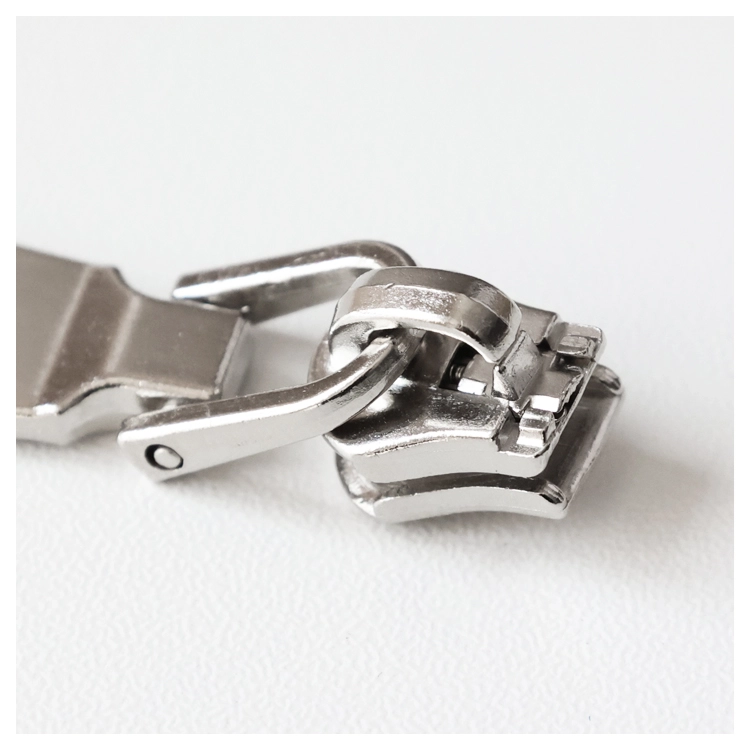
YG slider components and function
| Body | Stamped stainless channel and lock pocket | Carries the chain |
| Puller | User handle; lifts the lock plate | Styled per product |
| Spring | Pushes the lock plate into the chain | Defines lock force |
| Lock plate | Drops between teeth to lock | Geometry must match the chain |
Assembly quality tests
| Lock test | Puller released, slider locks | Per batch samples |
| Release test | Puller lifted, slider moves | Per batch samples |
| Lock force | Within customer range | Measured sample |
| Cycling | Repeated open-close | Scheduled samples |
| Appearance | No scratches or contamination | Per batch |
Common YG lock defects and fixes
| Will not lock | Weak spring or wrong lock plate | Check spring spec and assembly |
| Will not release | Lock plate jammed or too tight | Check tolerance and lubrication |
| Intermittent failure | Springs mixed in feeder | Separate and label springs |
| Rough pull feel | Dry lock or burrs | Lubricate; deburr parts |
| Late corrosion | Grade or surface issue | Use correct grade; passivate |
Implementation Cases
Case 1 - intermittent lock failure from mixed springs
Situation. A stainless YG slider line in Vietnam shipped boxes where some sliders would not lock; testing showed the failures were random, not by batch.
Approach. The spring feeder had been refilled with a similar-looking spring of a different wire grade. Springs were separated by spec, feeders were labeled, and lock testing was added to the QC sheet.
Outcome. Random lock failures stopped and the QC lock test became a permanent gate.
Case 2 - cycling test caught a design tolerance issue
Situation. A customer in Poland required 100,000-cycle testing on a stainless YG slider for premium luggage.
Approach. The factory ran cycling samples and found the lock plate wore the body pocket after extended cycles. The tolerance was adjusted and the spring force was re-set to the customer range.
Outcome. The redesigned assembly passed the cycling target and the customer approved volume production.
Frequently Asked Questions
What is a YG slider?
A YG slider is an auto-lock slider: when the puller is released, a lock plate drops into the chain and locks it; lifting the puller releases it. It is common in jeans, trousers and luggage.
Which components make up a YG slider?
A stamped body, a puller, a spring and a lock plate. The spring pushes the lock plate into the chain, so spring spec and assembly tolerance decide reliability.
Why do some YG sliders not lock?
Usually a weak spring, the wrong spring type, or a lock plate that does not seat. Separate spring specs and test lock function per batch.
Why do some YG sliders not release?
The lock plate may jam from tight tolerances, missing lubrication or contamination. Check body and lock plate tolerance and use the correct light lubricant.
How fast is YG slider assembly?
Automatic assembly machines commonly run 60-120 parts per minute. Feeder jams are the usual reason real output falls below this.
What tests should a YG slider pass?
Lock test, release test, lock force within range, repeated cycling, and appearance. For premium products, cycling to the customer target is required.
Can the same spring be used for 304 and 316 sliders?
Only if the wire grade and force spec are identical. Grade changes alter spring force and corrosion, so keep lots separate and re-test.
Does lubrication matter for YG sliders?
Yes. The right light lubricant keeps the lock moving; too much attracts dust and none lets the lock bind. Follow the approved lubrication step.
What Would You Like to Solve?
Tell us your YG slider size, lock force target and cycling requirement, and we can help you set the spring spec, assembly machine feeding and the lock, release and cycling tests that keep the auto-lock reliable.
Published by QLQ - a complete high-quality zipper manufacturing equipment, moulds and materials solution supplier, and the only supplier in China covering the full process chain from raw material through electroplating and painting as one integrated system. Values cited are project references; confirm with your line supplier before specification.