
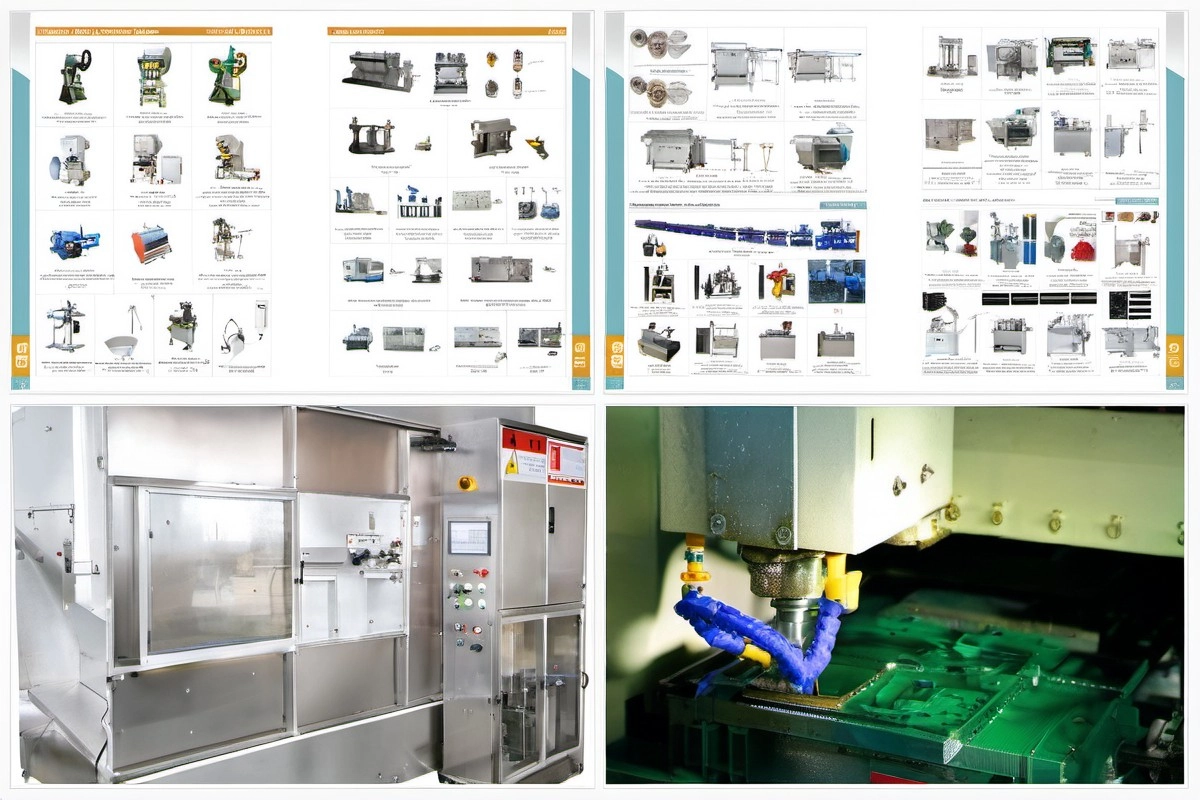
I have seen zipper factories stall for years at the same revenue, then double output in 12 months with one change: they stopped buying machines and started fixing bottlenecks.
If you are planning a metal zipper manufacturing line upgrade, these five decisions matter more than the brand on the machine.
Common Mistakes and How to Avoid Them
The pitfalls that show up most often in real projects, with the cause and the practical fix.
| Mistake | Why It Happens | Practical Fix |
|---|---|---|
| 1. Buying the cheapest machine first | The cheapest machine often sits idle because upstream or downstream steps cannot keep up. | Find the bottleneck before writing any purchase order. |
| 2. Jumping to full automation | A fully automatic line needs stable volume and SKU mix; otherwise changeover time kills utilization. | Match automation level to order volume and product variety. |
| 3. Mixing suppliers without integration plan | Five different PLCs and control panels create finger-pointing when the line stops. | Decide upfront whether to build in-house or buy turnkey. |
| 4. Ignoring after-sales response | A supplier who cannot reach your factory within 24 hours can cost a week of production. | Evaluate spare parts availability and on-site response time. |
| 5. Installing sensors without review | Data that nobody reviews is just disk space. | Assign someone to review trends weekly. |
| 6. Upgrading plating before pretreatment | Pretreatment instability passes defects downstream, no matter how good the plating machine is. | Stabilize degreasing, dewaxing and ultrasonic cleaning first. |
| 7. No recipe management | Each operator sets the machine differently, causing batch-to-batch variation. | Introduce recipe cards or one-button recall before scaling. |
| 8. Skipping factory layout review | New machines may not fit the existing utilities, ventilation or material flow. | Map power, compressed air and wastewater capacity before buying. |
Best Practices That Hold Up in Production
The operating disciplines that separate a reliable line from a reactive one.
- Track rework rate, downtime and WIP by process step for three months to find the real bottleneck.
- Start with semi-automatic cells on the bottleneck step; expand only after utilization is stable.
- Choose a supplier who can explain why a parameter is set a certain way.
- Require standard communication protocols (Modbus, Ethernet/IP) from every machine supplier.
- Stabilize pretreatment before adding downstream plating, painting or inspection equipment.
- Build a spare-parts list before the line is accepted.
- Start data collection with the five parameters that most directly affect quality.
- Review weekly trends in a 15-minute production meeting.
Implementation Roadmap
A practical sequence that can be adapted to your own project.
Working Data & Formula Notes
Upgrade decision framework for zipper factories
Values are project references; confirm with your equipment supplier and local labor costs.
| Component / Parameter | Working Value / Role | What Changes Mean (annotation) |
|---|---|---|
| Automation stages | Manual → Semi-auto → Automatic line → Smart line | Each jump needs higher volume stability and capital. |
| Pretreatment first rule | ≈80 % of quality issues start here | Degreasing, dewaxing and cleaning stabilize downstream output. |
| Payback target | 12–18 months common for semi-auto cells | Faster than full automation in mixed-SKU environments. |
| OEE starting metric | Uptime × cycle efficiency × pass rate | Baseline before upgrade; track monthly improvement. |
| Data priority #1 | Plating bath temperature + current | Biggest impact on zipper slider color and thickness. |
| Supplier evaluation | Cases, scope, integration, spares, support, response | Price is only one of six dimensions. |
Reference Data
Specifications and references cited in this guide. Confirm final parameters with your line supplier.
Automation level guide for zipper factories
| Manual | Standalone machines, manual transfer | Small batches, many SKU changes |
| Semi-automatic | Automated single processes, manual connection | Growing volume, limited budget |
| Automatic line | Conveyor-linked machines, recipe control | Stable products, medium volume |
| Smart line | Central control + data acquisition + MES | Large volume, traceability requirements |
12-month upgrade roadmap example
| Q1 | Audit bottlenecks, standardize pretreatment | Rework down 20 % |
| Q2 | Add key automatic cells | Throughput up 30 % |
| Q3 | Connect machines with conveyor and recipe control | Labor per part down 25 % |
| Q4 | Add data acquisition and train operators | First-pass yield up 15 % |
Implementation Cases
Wenzhou metal zipper line: pretreatment bottleneck
Situation. A factory making metal zippers for bags kept adding plating capacity but rework stayed at 14 %. An audit showed oil and wax from stamping were not fully removed before plating.
Approach. They added an ultrasonic degreasing station and standardized bath temperature and pH before touching the plating line.
Outcome. Rework fell from 14 % to 6 % in two months, and the existing plating machines gained effective capacity.
Bangladesh factory: semi-automatic before full automation
Situation. A growing zipper factory considered a fully automatic line but had 40 active SKUs with small order quantities.
Approach. They invested in semi-automatic stamping and plating cells first, then added a shared conveyor once volumes stabilized.
Outcome. Payback was reached in 14 months instead of the projected 28 months for the full automatic line.
Frequently Asked Questions
Which process should I upgrade first in a zipper factory?
Usually pretreatment. About 80 % of plating and painting quality issues can be traced upstream to degreasing, dewaxing or cleaning.
How far should automation go?
Match it to order volume, SKU variety and capital. Semi-automatic cells often give the fastest payback for mixed-SKU zipper factories.
Should I build in-house or buy a turnkey line?
If you have a dedicated electrical/PLC technician, in-house can save money. Most small and mid-size zipper factories are lower risk with turnkey.
How do I choose a zipper machinery supplier?
Evaluate reference cases, scope coverage, electrical integration, spare parts, process support and after-sales response—not just price.
When should I add data acquisition?
After the processes that most affect quality are controlled. Start with plating bath temperature/current, pretreatment temperature/pH, and OEE.
What is the typical payback for a semi-automatic zipper line?
Many projects reach payback in 12–18 months, depending on labor cost and volume growth.
Can I upgrade an old zipper line instead of replacing it?
Yes. Start with the bottleneck step, add sensors and controls, then connect cells. Full replacement is rarely the only option.
What data should be collected first?
Process parameters that directly affect quality: bath temperature and current, pretreatment temperature and pH, paint booth humidity, oven temperature profile, and OEE.
How do I avoid integration problems?
Require every machine supplier to open standard protocols (Modbus, Ethernet/IP) and provide electrical drawings before acceptance.
What is the biggest mistake in a zipper line upgrade?
Buying machines before identifying the real bottleneck. A faster machine on the wrong step simply makes bad parts faster.
What Would You Like to Solve?
If your zipper factory is stuck at a revenue ceiling, the first question is not “What machine should I buy?” but “Which process is actually limiting output today?” Share your product mix, current equipment and biggest defect source and I can help you prioritize.
Author: Ankus Qiu. QLQ supplies zipper making machines, slider moulds and finishing-line equipment for metal, nylon and plastic zipper factories. Values cited are project references; confirm with your equipment supplier before specification.