
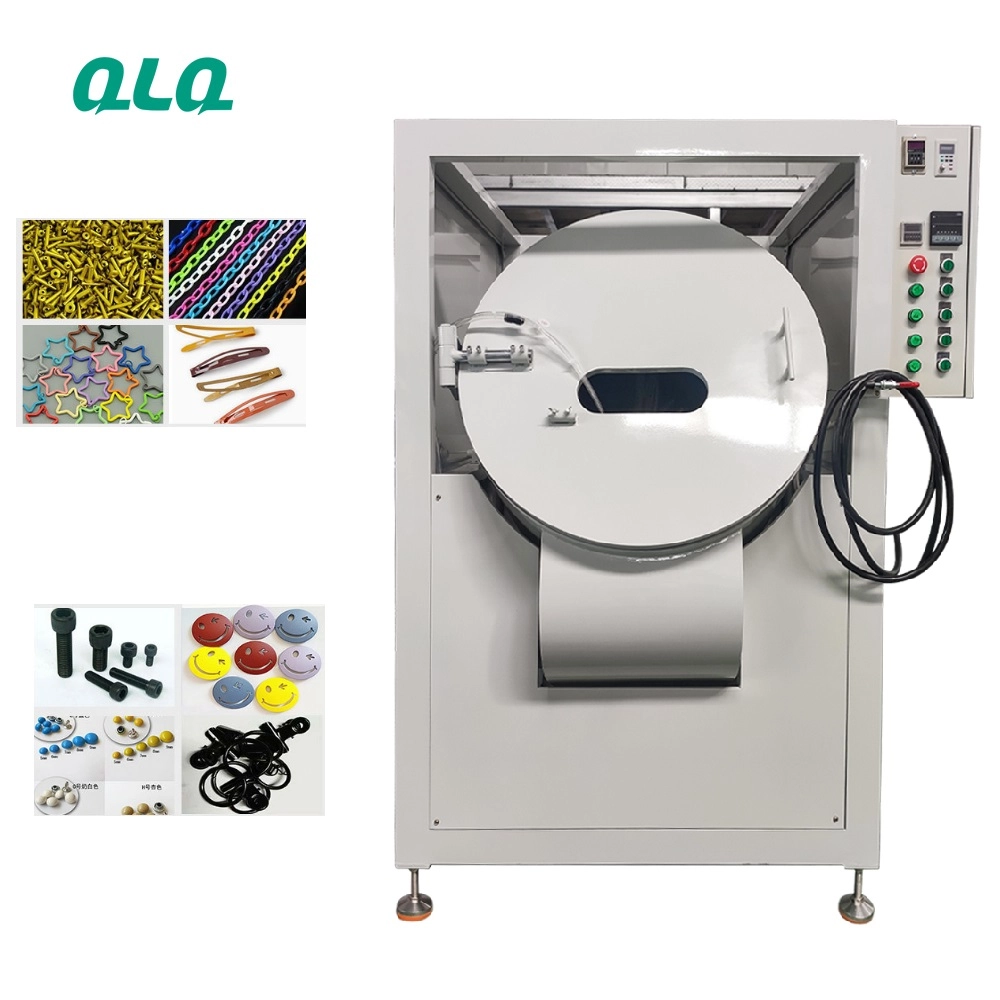
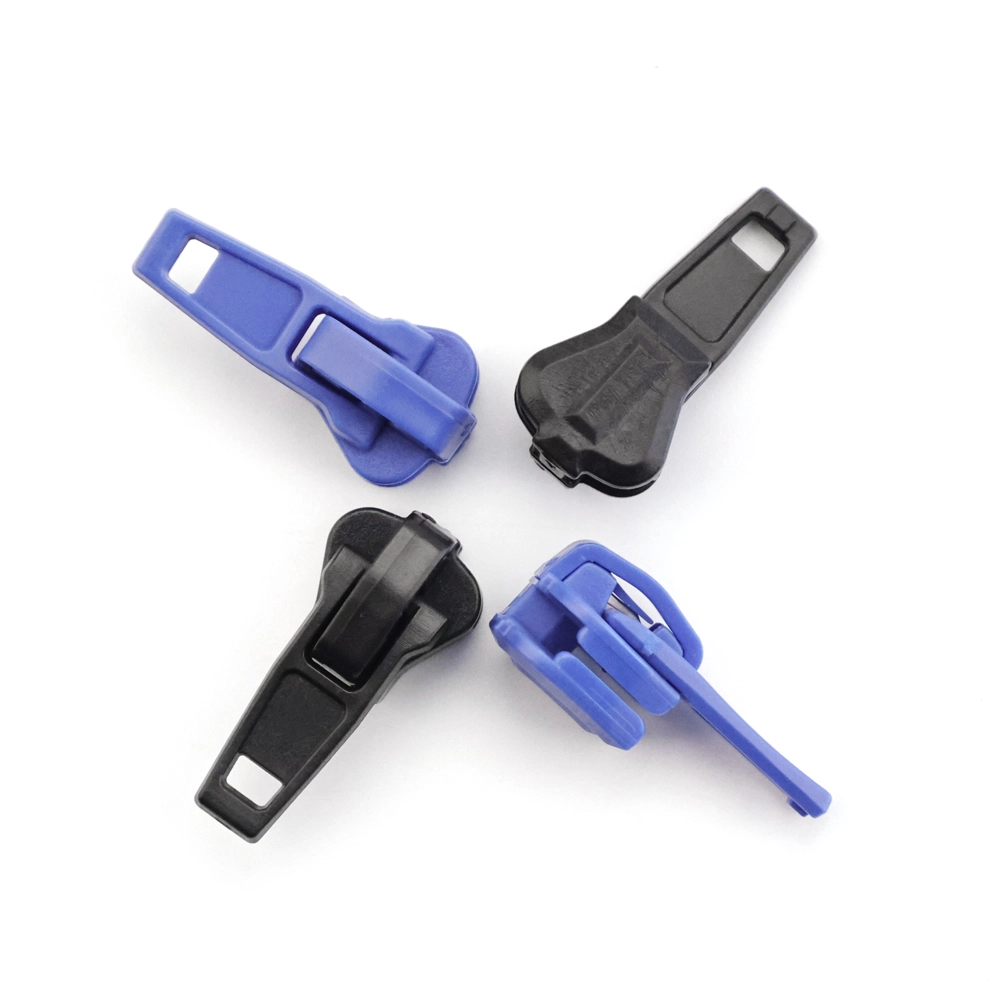
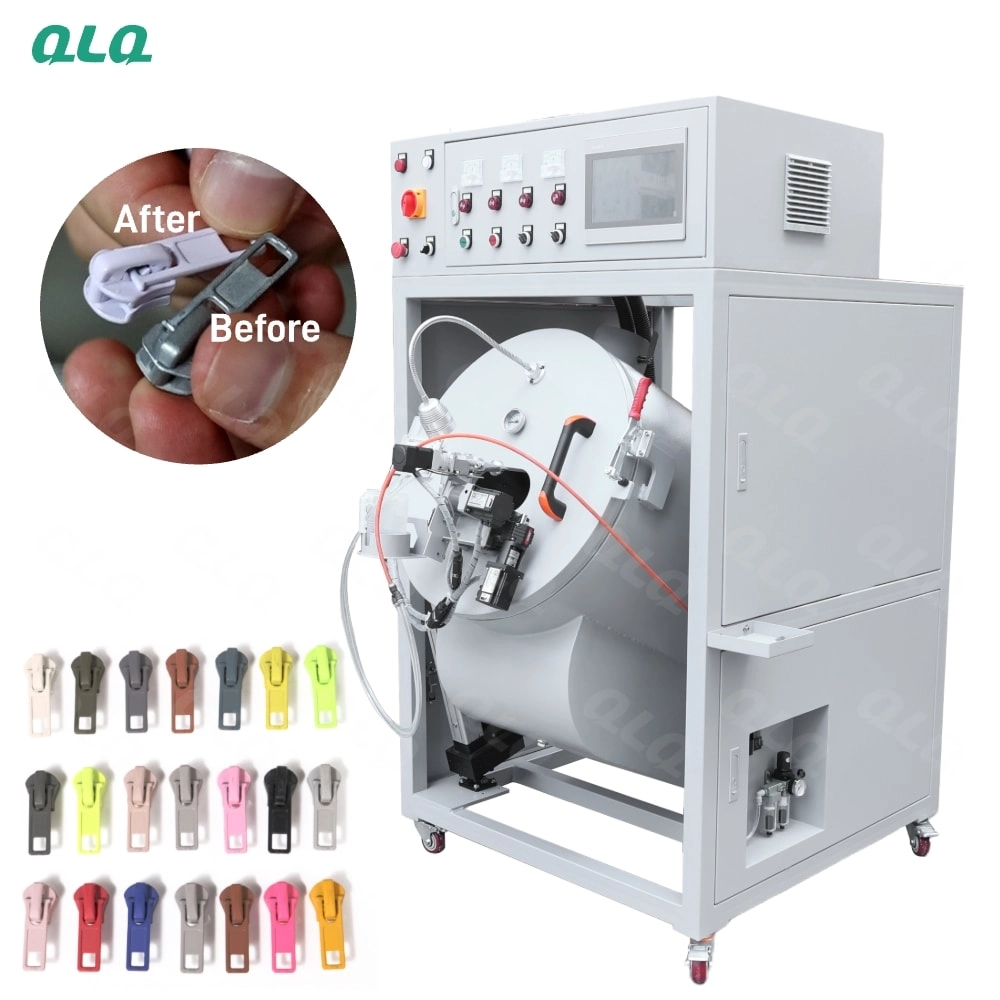
Most POM sliders leave the injection machine in their natural molded color, but the products that sell at higher prices carry a finish: a baked paint color, a vacuum-metallized metal look, a water-plated chrome surface, or a hot-stamped logo. Each finish has its own pretreatment, equipment and failure mode - and the failures all start with adhesion.
This guide explains the surface finishing options for plastic sliders, the difference from metal plating, the process chain from pretreatment to curing, and the defect controls that keep paint and coating from peeling in the customer hand.
Common Mistakes and How to Avoid Them
The pitfalls that show up most often in real projects, with the cause and the practical fix.
| Mistake | Why It Happens | Practical Fix |
|---|---|---|
| 1. Painting without cleaning | Oils and mold release destroy adhesion | Clean and degrease before any coating |
| 2. Using metal plating recipes on plastic | Plastic needs its own pretreatment and chemistry | Follow the plastic plating route or choose vacuum metallizing |
| 3. Vacuum chamber pressure wrong | Uneven metal look | Check vacuum level and cycle consistency |
| 4. Bake paint cured too fast | Solvent trapped, blistering later | Follow the curing curve: warm-up, hold, cool |
| 5. Coating too thick in one pass | Runs and orange peel | Spray in controlled passes; check viscosity |
| 6. No adhesion test | Peeling found by the customer | Tape and cross-hatch test on samples per batch |
| 7. Mixing colors in the finishing line | Cross contamination | Clean lines and guns between colors |
| 8. Hot stamping on dirty parts | Logo peels off | Clean and pre-treat the stamp area |
| 9. Finishing thin POM parts too hot | Parts warp in the oven | Check oven temperature against POM limit |
| 10. No approved finish sample | Gloss and color judged differently | Keep an approved finish sample at the line |
Best Practices That Hold Up in Production
The operating disciplines that separate a reliable line from a reactive one.
- Clean and pretreat before every coating
- Choose vacuum metallizing or plastic-specific plating for metal looks
- Control paint viscosity, spray passes and booth conditions
- Follow the curing curve; do not force-dry too fast
- Run adhesion tests (cross-hatch and tape) per batch
- Keep an approved finish sample for color and gloss
- Clean guns and lines between colors
- Check oven temperature against the POM service limit
Implementation Roadmap
A practical sequence that can be adapted to your own project.
Working Data & Formula Notes
Plastic slider finishing data
Reference guidance from QLQ surface treatment notes; exact paints, pretreatments and cure curves come from the coating supplier.
| Component / Parameter | Working Value / Role | What Changes Mean (annotation) |
|---|---|---|
| Pretreatment | Clean, degrease, optional adhesion promoter | The main cause of peeling is skipped pretreatment |
| Bake paint | Spray then cure by time-temperature curve | Fast drying traps solvent and causes later blistering |
| Vacuum metallizing | Metal look under low pressure | Evenness depends on vacuum level and cycle |
| Water plating on plastic | Requires special plastic-plating route | Ordinary metal plating recipes do not stick to POM |
| Hot stamping | Heat and pressure transfer foil | Clean surface and correct temperature for adhesion |
| Adhesion test | Cross-hatch plus tape | Catches weak coating before packing |
| Oven temperature | Check against POM limit | Thin POM parts can warp if curing is too hot |
Reference Data
Specifications and references cited in this guide. Confirm final parameters with your line supplier.
Finishing option matrix for plastic sliders
| Natural molded color | No extra step | Lowest cost, large volume |
| Bake painting | Wide colors, matte/gloss | Medium cost, flexible colors |
| Vacuum metallizing | Metal look without wet plating | Premium look |
| Water plating | Real metal layer | High-end decorative, complex process |
| Printing / hot stamping | Logo and patterns | Branding on any finish |
Finishing defect table
| Peeling coating | Poor cleaning or pretreatment | Clean and pretreat before coating |
| Blistering after curing | Trapped solvent or moisture | Follow the curing curve; check bake temperature |
| Runs and sags | Paint too thin or too much spray | Control viscosity and spray passes |
| Orange peel | Solvent too fast or high viscosity | Adjust solvent blend and spray distance |
| Uneven metal look | Vacuum pressure variation | Stabilize the chamber cycle |
| Scratched finish | Parts touching in packing | Separate finished parts |
Finishing line controls
| Booth cleanliness | Dust-free before spraying | Prevents particles in the coating |
| Paint viscosity | Measured per batch | Prevents runs and orange peel |
| Curing curve | Warm-up, hold, cool | Prevents blistering |
| Adhesion sample | Per batch cross-hatch test | Catches weak adhesion |
| Approved sample | Color and gloss reference | Keeps verdicts consistent |
Implementation Cases
Case 1 - peeling paint fixed by cleaning and pretreating
Situation. A POM slider line in Vietnam painted sliders and saw peeling within days, blamed the paint, and changed supplier twice without success.
Approach. The real cause was mold release and fingerprints on the parts. The line added a cleaning and degreasing step plus an adhesion promoter before painting, and a cross-hatch test per batch.
Outcome. Peeling stopped and the adhesion test became a QC gate that prevented the problem from returning.
Case 2 - metal-look finish moved to vacuum metallizing
Situation. A customer in Italy wanted a chrome-look POM slider, and the first attempts with wet plating peeled because the recipe was a metal-plating bath.
Approach. The factory switched to vacuum metallizing with a protective topcoat, which suits plastic parts and gives an even metal look without the adhesion problems of wet plating on POM.
Outcome. The customer approved the finish, and the factory now offers the metal look without operating a plastic water-plating line.
Frequently Asked Questions
Can POM sliders be painted?
Yes. Clean and degrease first, then apply a bake paint with a proper curing curve. Most peeling comes from skipped pretreatment, not from the paint itself.
Can I plate POM sliders like metal parts?
Not with ordinary metal plating recipes. Plastic needs its own pretreatment route, or use vacuum metallizing for a metal look with better adhesion on plastic.
What is vacuum metallizing?
A process that deposits a thin metal layer on parts inside a vacuum chamber, giving a metal look on plastic sliders. A protective topcoat is usually added.
Why does my painted slider blister later?
Blistering is usually trapped solvent or moisture from curing too fast. Follow the warm-up, hold and cool curve instead of force-drying.
How do I test coating adhesion?
Use a cross-hatch cut plus tape pull on samples per batch. If coating comes off in the test, fix cleaning and pretreatment before production.
Does finishing affect thin POM parts?
Yes. Oven curing can warp thin POM parts if the temperature is too high. Check the curing temperature against the POM service limit.
How do I keep colors consistent in finishing?
Keep an approved finish sample, measure paint viscosity, clean guns between colors, and control booth and curing conditions.
Is natural molded color the best option?
For large basic orders, natural molded color is the lowest cost and most consistent. Finishing adds cost and failure modes, so choose it only when the customer needs the look.
What Would You Like to Solve?
Tell us the finish look you need - molded color, bake paint, metal look or logo - and your volume, and we can help you choose between vacuum metallizing, painting and plastic plating, and set the cleaning, curing and adhesion controls.
Published by QLQ - a complete high-quality zipper manufacturing equipment, moulds and materials solution supplier, and the only supplier in China covering the full process chain from raw material through electroplating and painting as one integrated system. Values cited are project references; confirm with your line supplier before specification.