
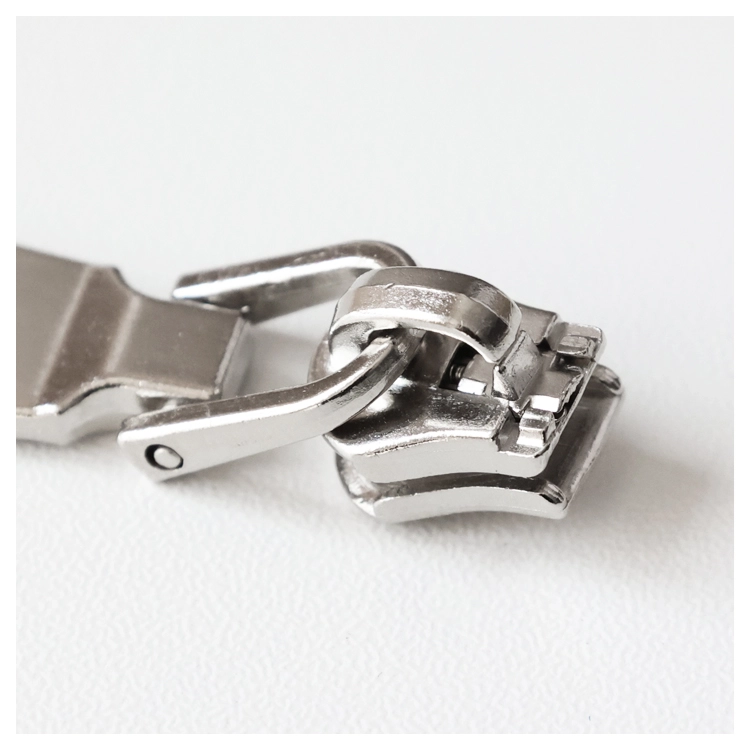
A stainless slider can be shipped in its natural brushed or polished state, or dressed with color: PVD can add gold, black, blue or bronze tones with good wear resistance, while conventional electroplating on stainless is less common because adhesion is difficult and acid-bath control is unforgiving.
This guide explains the surface finishing choices for stainless sliders, why conventional plating is limited on stainless, how PVD achieves colored finishes, and the process cautions - including the cracking and blistering risk that appears when stainless is plated with poor bath control.
Common Mistakes and How to Avoid Them
The pitfalls that show up most often in real projects, with the cause and the practical fix.
| Mistake | Why It Happens | Practical Fix |
|---|---|---|
| 1. Plating stainless like brass | Stainless passivates; ordinary plating does not adhere | Use a stainless-specific pretreatment or choose PVD |
| 2. Acid bath time out of control | Cracking and surface blistering on thin parts | Control acid treatment time strictly; short is safer |
| 3. Skipping surface preparation | PVD and paint peel on dirty parts | Clean and finish the surface before coating |
| 4. PVD chamber contamination | Uneven color and poor adhesion | Control vacuum level and cleanliness |
| 5. No color standard | Batches judged differently | Keep an approved color sample |
| 6. Coating thin parts too hot | Warpage in PVD or curing | Check temperature against part limits |
| 7. No adhesion test | Coating fails at the customer | Run cross-hatch or bend sample tests |
| 8. Mixing finish lots | Different gloss between boxes | Keep finish lots together |
| 9. Ignoring edge sharpness before coating | Coating chips on sharp edges | Deburr and radius edges first |
| 10. Skipping protective packing | Scratches ruin the finish | Separate and protect finished parts |
Best Practices That Hold Up in Production
The operating disciplines that separate a reliable line from a reactive one.
- Clean and finish the surface before any coating
- Choose PVD for colored finishes on stainless
- Control acid time strictly when plating stainless
- Keep an approved color and gloss sample
- Run adhesion tests on samples per batch
- Deburr and radius edges before coating
- Keep finish lots together and record them
- Protect finished parts in packing
Implementation Roadmap
A practical sequence that can be adapted to your own project.
Working Data & Formula Notes
Stainless slider finishing data
Reference guidance from QLQ stainless notes; PVD recipes and plating chemistry come from the coating supplier.
| Component / Parameter | Working Value / Role | What Changes Mean (annotation) |
|---|---|---|
| Natural finish | Electropolish or mechanical gloss | Simplest and most corrosion-safe route |
| PVD colors | Gold, black, blue, bronze by coating | Wear-resistant color without wet plating |
| Plating on stainless | Needs stainless-specific pretreatment | Ordinary plating does not adhere to passive stainless |
| Acid bath control | Strict time and concentration | Poor control causes cracking and blistering on thin parts |
| Adhesion test | Cross-hatch or bend sample | Catches weak coating before shipment |
| Surface prep | Clean and finish before coating | Dirt causes peeling and uneven color |
| Color standard | Approved sample per order | Keeps gloss and color consistent |
Reference Data
Specifications and references cited in this guide. Confirm final parameters with your line supplier.
Finish option matrix for stainless sliders
| Natural electropolished | Bright stainless look | Marine and premium metal look |
| Brushed natural | Matte brushed surface | Modern hardware |
| PVD gold/black/blue | Colored wear-resistant coating | Fashion and premium closures |
| Conventional plating | Nickel or gold look | Difficult on stainless; limited use |
| Lacquer protection | Clear protective coat | Protects light finishes |
PVD color and application
| Gold PVD | Warm gold tone | Premium garments and bags |
| Black PVD | Deep black, wear-resistant | Fashion and dark hardware |
| Blue/bronze PVD | Designer tones | Special collections |
| Clear topcoat | Protects the base finish | Marine hardware |
Coating quality controls
| Surface prep | Clean and gloss standard | Before coating |
| Vacuum/bath params | Record per batch | Consistency |
| Color sample | Approved per order | Visual standard |
| Adhesion | Sample per batch | Peel prevention |
| Packing | Separated and protected | Scratch prevention |
Implementation Cases
Case 1 - plating blistering avoided by moving to PVD
Situation. A customer wanted a gold look on stainless YG sliders, and an early plating trial blistered because the acid bath attacked the passive stainless surface.
Approach. The factory switched to PVD gold coating with a clean, polished base, and set a strict pretreatment and cleaning step before the chamber.
Outcome. The PVD finish passed adhesion and wear checks, and the customer accepted the gold look without the plating defects.
Case 2 - off-white finish lesson on acid time control
Situation. A project quoting plated off-white caps on stainless found that uncontrolled acid treatment caused cracking and surface blistering.
Approach. The engineering note from the project was applied to slider parts: acid treatment time was controlled strictly, and for parts where plating risk was too high, the recommendation was to plate locally or ship a protective off-white finish.
Outcome. The team now documents plating limits for stainless in every quote and uses PVD or protective finishes where plating is risky.
Frequently Asked Questions
Can stainless sliders be plated?
Yes, but it is difficult because stainless passivates and ordinary plating does not adhere well. A stainless-specific pretreatment is needed, and acid bath time must be controlled strictly to avoid cracking and blistering.
What is PVD coating?
PVD (physical vapor deposition) deposits a thin, wear-resistant coating in a vacuum chamber. It is used on stainless to create gold, black, blue and other colors without wet plating.
Why does my plated stainless part crack or blister?
The acid bath can attack the passive stainless surface if the time or concentration is out of control. Keep acid treatment short and controlled, or use PVD instead.
Which finish is best for marine stainless sliders?
A natural electropolished finish with passivation is the most corrosion-safe. If color is required, PVD with a protective topcoat is preferred over conventional plating.
How do I test coating adhesion?
Use a cross-hatch cut with tape, or a bend sample on representative parts. Test per batch and keep records.
Does PVD color fade or wear?
PVD is generally wear-resistant, but the exact durability depends on the coating and base preparation. Confirm with the coating supplier for the intended use.
Should I deburr before coating?
Yes. Sharp edges cause coating to chip and give a poor finish. Deburr and radius edges before PVD or paint.
Can I use a clear lacquer on stainless?
Yes. A clear protective coat protects light finishes and helps marine parts resist surface contamination, but the base surface must be clean and properly finished first.
What Would You Like to Solve?
Tell us the color and gloss you need, the environment of the final product, and we can help you choose between natural, electropolished, PVD and plating routes - and set the surface preparation and adhesion tests for your stainless sliders.
Published by QLQ - a complete high-quality zipper manufacturing equipment, moulds and materials solution supplier, and the only supplier in China covering the full process chain from raw material through electroplating and painting as one integrated system. Values cited are project references; confirm with your line supplier before specification.