
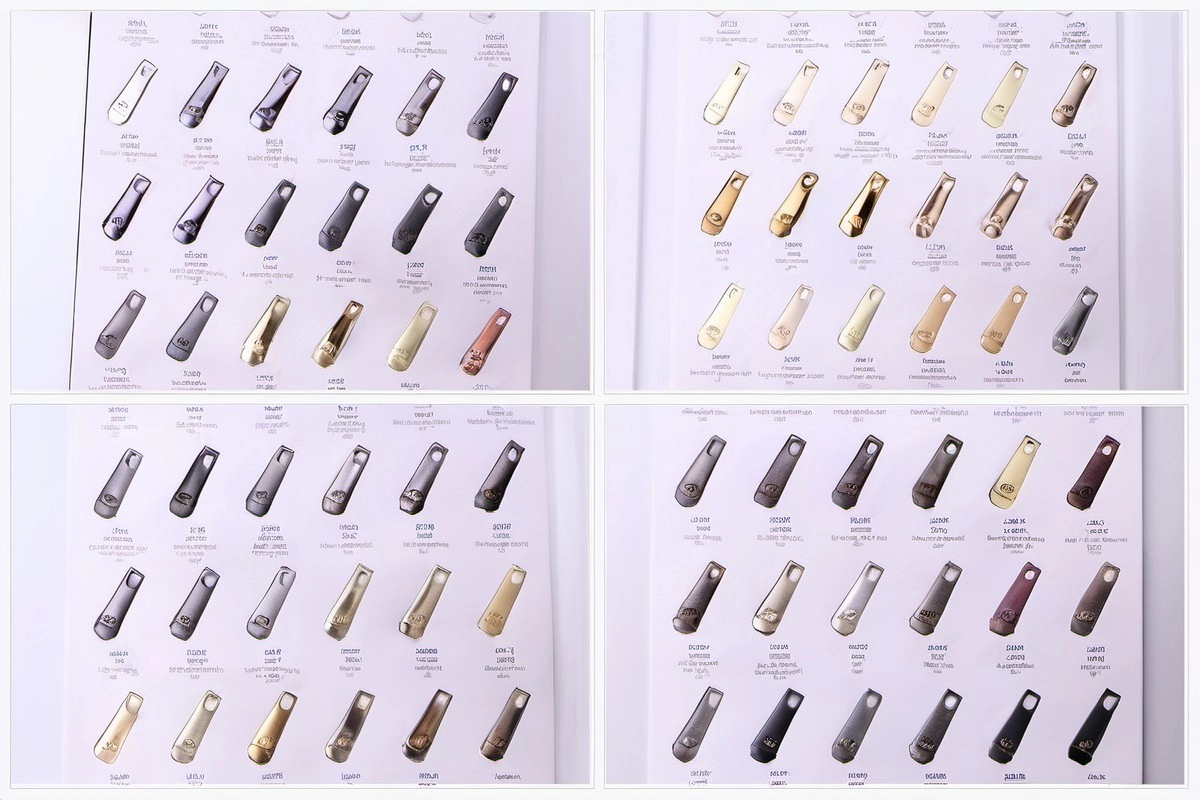
A 20-year painter told me: beginners fail not because of how they hold the gun, but because of the details nobody taught them to notice.
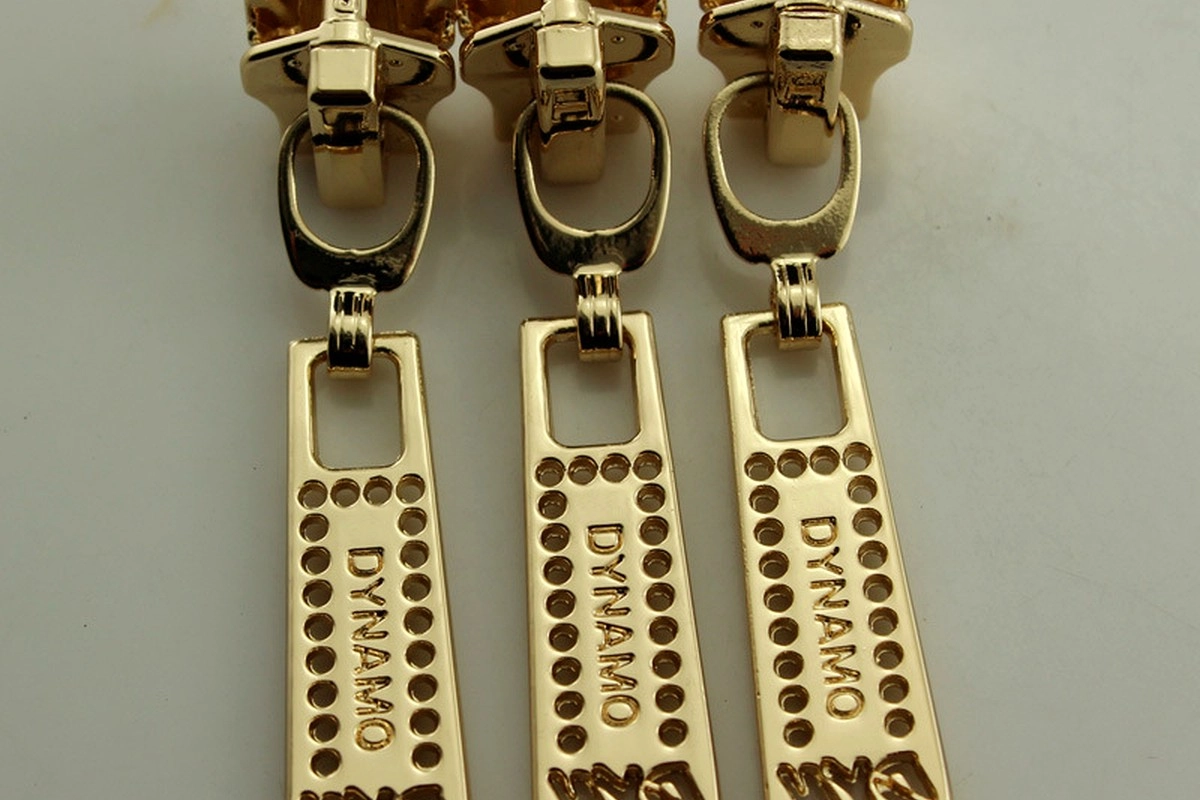
For zipper sliders, small size and high cosmetic standards make every pre-painting detail magnify. Here are five workshop habits that separate a rejected batch from a repeat customer.
Common Mistakes and How to Avoid Them
The pitfalls that show up most often in real projects, with the cause and the practical fix.
| Mistake | Why It Happens | Practical Fix |
|---|---|---|
| 1. Skipping ionized dust removal | Zipper sliders attract fibers and dust by static, especially in dry winter air. These become pits after painting. | Blow with clean compressed air, then pass through an anti-static dust cloth or ionized air gun. |
| 2. Inconsistent gun distance | A shaking hand moves from 15 cm to 30 cm between passes, causing light color and mottling. | Keep a fixed 15–20 cm distance and overlap each pass by one-third. |
| 3. Under-stirring paint | Pigment and resin separate. Metallic paint drifts darker as the day goes on. | Stir continuously with a slow mixer: 5–10 min for new paint, 15–20 min for overnight or metallic paint. |
| 4. Rushing the oven profile | A sudden temperature rise dries the surface while solvents are trapped underneath. | Follow the supplier step-ramp: low-temperature flow-out first, then high-temperature cure. |
| 5. Ignoring humidity swings | Southern wet seasons and northern winters both cause whitening, orange peel and adhesion loss. | Maintain 55 %–75 % RH in the spray booth and drying area. |
| 6. No pre-shift checklist | Operators start the line without confirming dust removal, gun distance, paint mix, drying profile and humidity. | Run a five-point checklist before every shift. |
| 7. Using one setting for all colors | Solid colors, metallics and pearls have different solvent balance and film build. | Create a recipe card per color family. |
| 8. Skipping test panels | The first 50 sliders become the test piece for the customer. | Spray test panels and compare under booth lighting before production. |
Best Practices That Hold Up in Production
The operating disciplines that separate a reliable line from a reactive one.
- Remove static and dust before parts enter the spray booth, especially in dry weather.
- Fix gun distance and travel speed before adjusting paint viscosity or air pressure.
- Stir metallic and pearl paints for at least 15 minutes before use.
- Follow the paint supplier’s step-ramp cure profile; never shorten it by raising temperature.
- Monitor booth humidity every shift and dehumidify or humidify as needed.
- Run test panels for every color change and keep a reference sample.
- Clean the spray gun and airline at the end of every shift.
- Store paint cans closed and label open dates; rotate stock by first-in-first-out.
Implementation Roadmap
A practical sequence that can be adapted to your own project.
Working Data & Formula Notes
Spray painting booth data for zipper sliders
Confirm paint supplier data sheets; values below are typical starting points for small metal zipper parts.
| Component / Parameter | Working Value / Role | What Changes Mean (annotation) |
|---|---|---|
| Gun distance | 15–20 cm | Too far = light color and poor adhesion; too close = sag and film build. |
| Booth humidity | 55 %–75 % RH | Too dry = static dust attraction; too high = whitening and orange peel. |
| Booth temperature | 20–25 °C | High temperature speeds solvent flash and can cause dry spray. |
| Paint mixing time | New 5–10 min / metallic 15–20 min | Under-mixing causes color drift through the batch. |
| Drying profile | Flow-out 50–70 °C then cure 120–160 °C | Skipping flow-out traps solvents and causes blisters. |
| Air pressure at gun | 2.0–3.0 bar | Too low = poor atomization; too high = dry spray and overspray. |
Reference Data
Specifications and references cited in this guide. Confirm final parameters with your line supplier.
Five pre-painting details and their controls
| Dust / static removal | Blow once, spray | Ionized air + anti-static cloth | Prevents particles and pits |
| Gun distance | 15 cm, then 30 cm | Fixed 15–20 cm, steady speed | Avoids mottling and sagging |
| Paint stirring | Stir twice | Slow mixer, 5–20 min | Prevents color drift |
| Drying profile | Higher = faster | Step ramp: flow-out, then cure | Prevents blisters and poor adhesion |
| Humidity control | Ignore it | Maintain 55 %–75 % RH | Prevents whitening and orange peel |
Implementation Cases
Dongguan zipper slider factory: dust rejection rush order
Situation. In winter the factory skipped dust removal to meet a rush order and only blew parts with compressed air. The batch of painted zipper pulls was covered with fine fibers and failed the customer’s magnifying-glass inspection.
Approach. An ionized air gun was added before the spray booth and the pretreatment step was added to the work instruction.
Outcome. Fiber-related rejects dropped to near zero on the next three batches.
Gold metallic paint drift in a slider coating line
Situation. A factory running gold metallic paint on zipper heads noticed the morning color was normal but by afternoon the finish kept getting darker. They spent half a day checking guns before realizing pigment had settled.
Approach. The shop required slow mixing for at least 15 minutes before use and assigned one mixer per color.
Outcome. Color drift between morning and afternoon batches disappeared.
Frequently Asked Questions
What is the best spray-gun distance for zipper sliders?
Generally 15–20 cm. The exact value depends on nozzle size and air pressure; trial-spray a few sliders first.
How do you control static in winter?
Besides ionized air, wipe parts with a slightly damp lint-free cloth before they enter the line. Do not make them wet, or adhesion suffers.
How long should paint be stirred?
New paint: 5–10 minutes. Overnight paint: 15–20 minutes. Metallic and pearl paints need longer than solid colors.
How do you fix whitening on zipper sliders?
Mild whitening can sometimes be saved with a slow-evaporating thinner. Severe whitening must be stripped and repainted. Prevention through humidity control is best.
Which is harder to fix: sagging or orange peel?
Both are painful. Sagging means the film is too thick; orange peel means solvent flashed too fast or gun movement was uneven. Prevention beats rework.
Do I need a dedicated spray booth for zipper parts?
A small, filtered booth with humidity and temperature control is enough for most slider volumes. Large open workshops make dust control difficult.
Can I paint zinc-alloy and brass sliders with the same process?
Base metal affects adhesion and corrosion resistance. Zinc alloy usually needs a conversion coating or primer; brass may be painted directly after degreasing.
How many coats are typical for zipper sliders?
One primer and one topcoat, or two topcoats for metallic finishes. Test for thickness and MEK rub resistance.
What drying profile prevents solvent popping?
Use a low-temperature flow-out stage before the cure stage so solvents evaporate through the film, not under it.
How do I check for dust before painting?
Inspect parts under a 45-degree angle light or use a magnifying glass at the loading station.
What Would You Like to Solve?
If your zipper slider coating line is seeing dust pits, color drift or humidity-related whitening, start with the five-point checklist before each shift. Send me your paint type, booth size and current defect photos and I can help you narrow the root cause.
Author: Ankus Qiu. QLQ supplies zipper making machines, slider moulds and finishing-line equipment for metal, nylon and plastic zipper factories. Values cited are project references; confirm with your equipment supplier before specification.