A zipper factory is a system, not a collection of machines. Teeth must match the tape, the slider must match the teeth, the mold must match the machine, and the plating or painting line must match the metal parts. When each piece is bought from a different supplier, the factory pays for the mismatch twice - once in setup time and once in defects that appear weeks later.
This guide explains what a complete zipper manufacturing solution should include: the full equipment line, matched molds, materials and consumables, surface treatment integration from electroplating to painting, layout, installation, training and spare parts. It also covers how to evaluate a single-vendor solution and how to phase the investment. QLQ supplies this full scope as one system and is the only supplier in China covering the complete process chain from raw material through electroplating and painting.
Common Mistakes and How to Avoid Them
The pitfalls that show up most often in real projects, with the cause and the practical fix.
| Mistake | Why It Happens | Practical Fix |
|---|---|---|
| 1. Buying machines from different suppliers without compatibility checks | Line speeds, feeding systems and controls do not match | Buy the line as a system or verify interface compatibility before ordering |
| 2. Buying machines without matched molds | Molds from a third party rarely run at full speed on day one | Order molds and machines together so they are matched and debugged as one set |
| 3. No material and consumables plan | Chemicals, lacquer, polishing media and wire change the result | Confirm suppliers and specs for materials with the line supplier |
| 4. Ignoring plating and painting integration | Surface treatment is treated as a separate purchase and color control suffers | Plan plating/painting equipment and chemistry with the same team that supplies the line |
| 5. No layout before ordering | Machines arrive and do not fit the building or utilities | Confirm the layout, power, air and water plan before production starts |
| 6. No training budget | New lines fail because the team was never trained | Include operator, technician and QC training in the project scope |
| 7. Buying too much too early | A first-time owner starts three product lines at once | Start with one complete line, stabilize 3-6 months, then expand |
| 8. No spare parts strategy | A small sensor failure stops the whole line for weeks | Keep critical spares in stock from the first order |
| 9. Wrong voltage or frequency | Machines cannot run in the local grid | Confirm voltage and frequency (380/220/415/440/480V) before ordering |
| 10. No wastewater and exhaust plan | Plating and painting fail environmental requirements | Plan effluent and exhaust treatment with the line design and local consultant |
Best Practices That Hold Up in Production
The operating disciplines that separate a reliable line from a reactive one.
- Treat the purchase as a system: equipment, molds, materials, layout and training from one responsible team
- Start with one complete line for one product type; add lines after stabilization
- Confirm voltage, frequency, area and power before the PI is signed
- Order matched molds with the machines so setup time is minimal
- Plan plating, painting and effluent treatment at the same time as the line
- Include operator, technician and QC training in the project scope
- Keep critical spare parts and consumables in stock from the first order
- Use the supplier reference cases from your region to validate the plan
Implementation Roadmap
A practical sequence that can be adapted to your own project.
Working Data & Formula Notes
Full-plant reference data for complete-line investment
Equipment budgets are QLQ reference prices for typical lines; they exclude building, utilities, installation travel and working capital. Confirm with the line supplier for your specific configuration.
| Component / Parameter | Working Value / Role | What Changes Mean (annotation) |
|---|---|---|
| Small nylon plant (10,000 pcs/day) | USD 100k-140k equipment; 375 m2; 120 kW; 25-35 staff | Under-budgeting utilities or staff slows start-up more than the machine price |
| Medium nylon plant (50,000 pcs/day) | USD 350k-500k; 850 m2; 300 kW; 60-90 staff | Scope creep on product mix raises area, power and staff together |
| Small metal plant (10,000 pcs/day) | USD 150k-220k (without plating line); 280 m2; 110 kW | Plating in-house adds USD 110k-210k and 250-350 m2 |
| Medium metal plant (50,000 pcs/day) | USD 450k-650k; 650 m2; 280 kW; 60-90 staff | Surface treatment integration is where color control is won or lost |
| Plastic plant (10,000-50,000 pcs/day) | USD 120k-180k small; USD 400k-600k medium | Mold set and injection machines must be matched to sizes and colors |
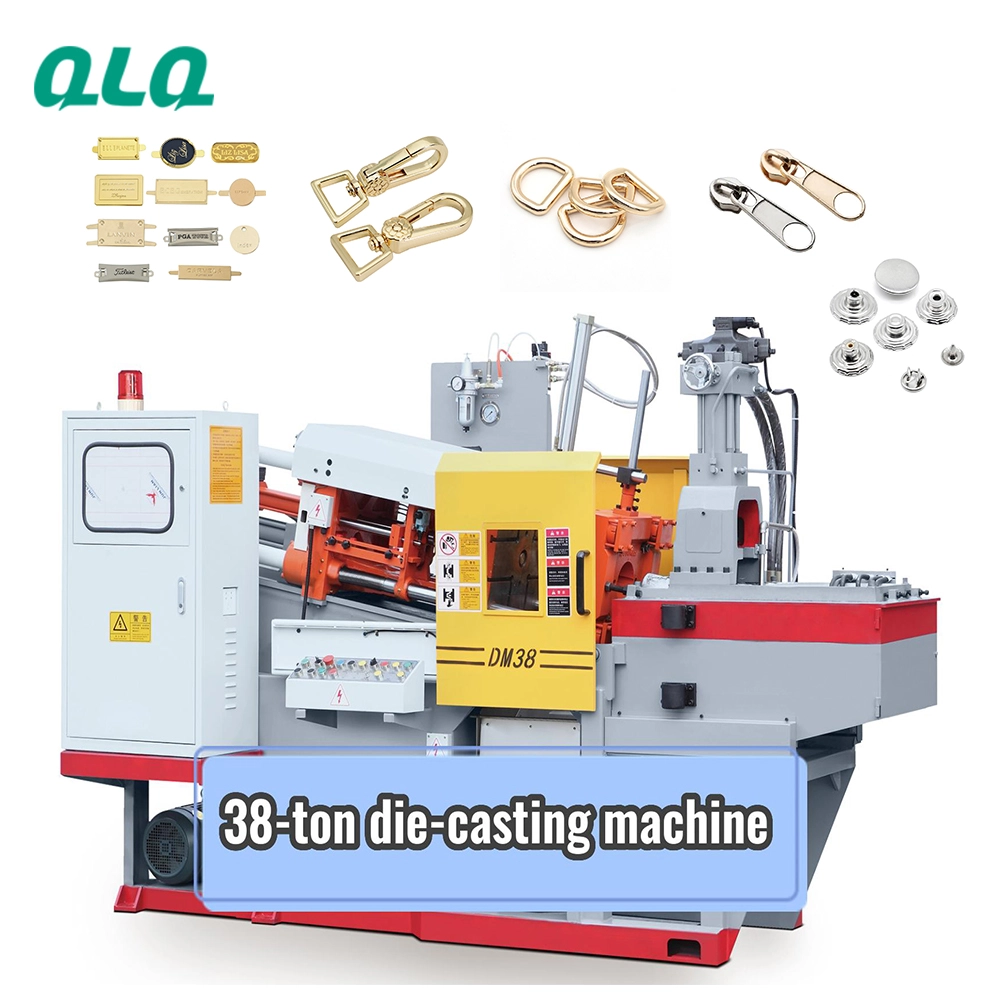
| Slider die-casting line | USD 100k-150k small; USD 300k-450k medium; 38T as core | Mold life and wear parts (plunger, nozzle) affect running cost |
| On-site commissioning | 1-2 engineers for 7-15 days; customer covers visa, flights, hotel, meals | First factories recover the cost many times over in training quality |
Reference Data
Specifications and references cited in this guide. Confirm final parameters with your line supplier.
Full-process supply scope for a zipper factory
| Front-end equipment | Weaving, monofilament, coil forming, Y-teeth stamping, injection molding |
| Finishing equipment | Stitching, ironing, dyeing, polishing, coding, winding |
| Assembly equipment | Cutting, gapping, slider mounting, top/bottom stop, box/pin fixing, packing |
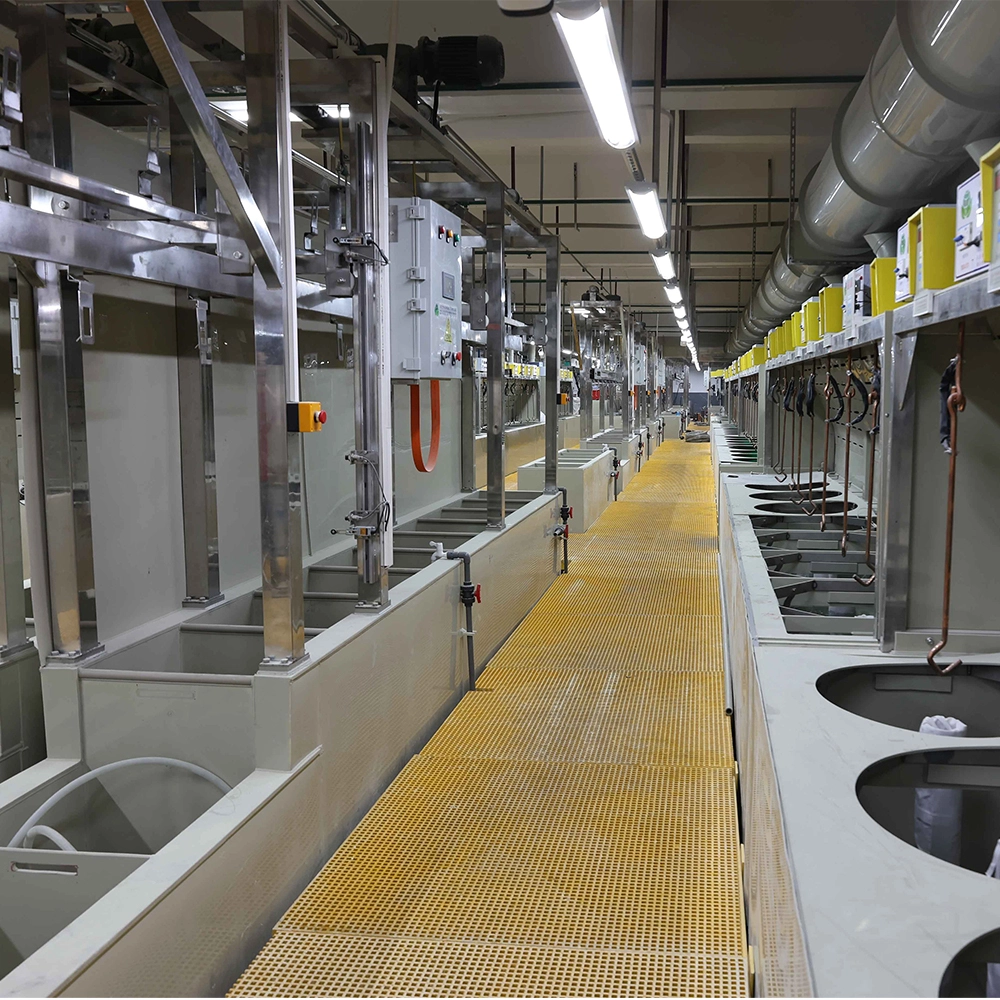
| Surface treatment | Plating (barrel/rack/continuous), painting, lacquering, cleaning and color fixing |
| Molds and tooling | Slider, teeth, stop and puller molds at 0.02 mm precision, matched to machines |
| Materials and consumables | Chemicals, lacquer, paint, polishing media, wire, films and spare parts |
| Engineering services | Layout, installation, commissioning, training, remote and on-site support |
| Full-process claim | QLQ is the only supplier in China covering the complete chain from raw material through electroplating and painting |
Investment reference by factory type
| Small nylon factory | USD 100k-140k | 375 m2 | 120 kW | 25-35 staff |
| Medium nylon factory | USD 350k-500k | 850 m2 | 300 kW | 60-90 staff |
| Small metal factory | USD 150k-220k | 280 m2 | 110 kW | 25-35 staff |
| Medium metal factory | USD 450k-650k | 650 m2 | 280 kW | 60-90 staff |
| Small plastic factory | USD 120k-180k | 225 m2 | 100 kW | 20-30 staff |
| Medium plastic factory | USD 400k-600k | 530 m2 | 260 kW | 55-80 staff |
| Plating line (basic) | USD 110k-210k | 250-350 m2 | 150 kW | 10-15 staff |
Implementation Cases
Case 1 - a first-time investor building a turnkey nylon zipper plant
Situation. An investor in Bangladesh with no zipper production experience wanted to open a 10,000 pieces/day nylon zipper factory and avoid the classic mistake of buying mismatched machines from several suppliers.
Approach. The project started with a product plan and one complete line: weaving, monofilament, forming, stitching, ironing, dyeing and assembly, with matched molds and a material list. Layout, power and water were confirmed before ordering; commissioning and training were done by the supplier team over 10-15 days.
Outcome. The plant produced acceptable finished zippers within the first month and reached the first-pass yield target within 3-6 months, with one responsible supplier for machines, molds, materials and troubleshooting.
Case 2 - a metal zipper maker completing the chain with plating and painting
Situation. A metal zipper factory in Turkey already made Y-teeth chain and finished zippers but outsourced plating and slider painting, losing color control and delivery time.
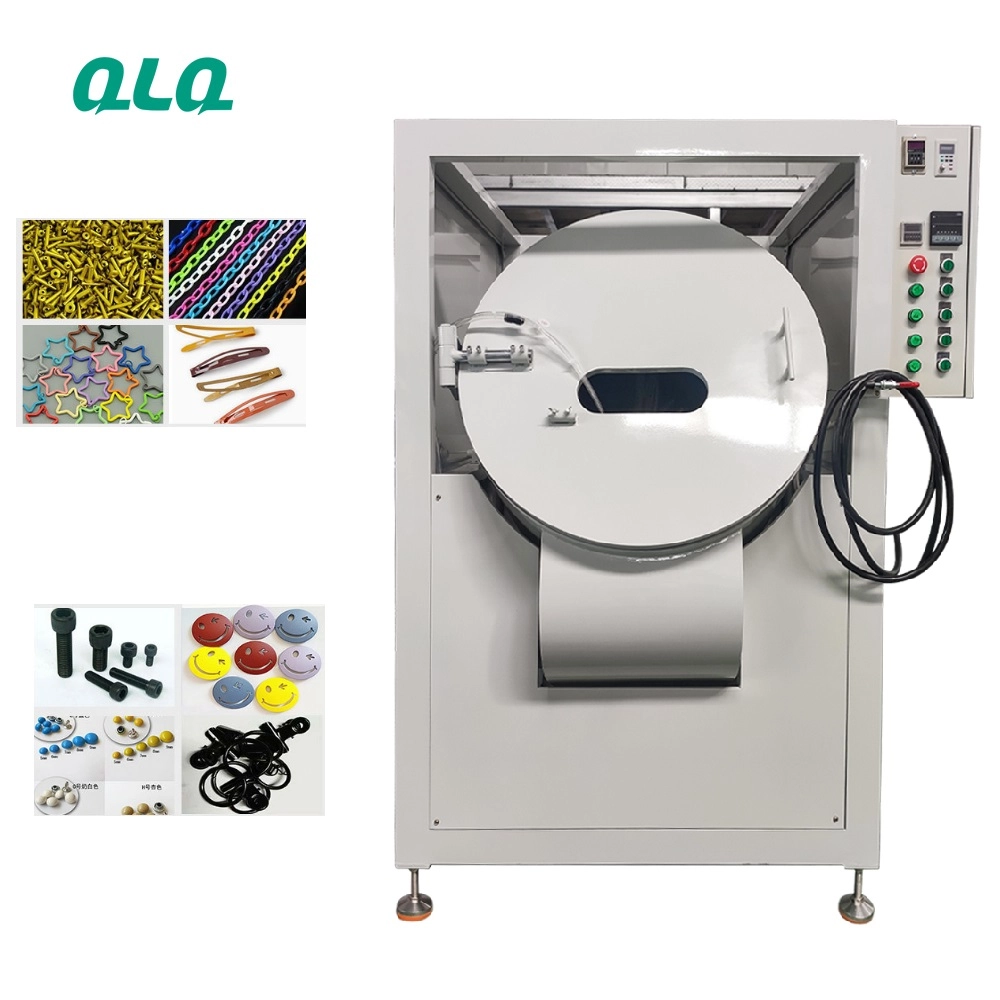
Approach. The factory added an in-house plating line and barrel painting equipment as part of the same system, with matched chemicals and lacquer, pretreatment and wastewater planning, and trained its team on bath control and color matching.
Outcome. The full process from wire to plated, painted and lacquered zipper is now in one factory, batch color difference is traceable, and the plant reduced outsourcing lead time significantly.
Frequently Asked Questions
What is a complete zipper manufacturing solution?
It is the full scope needed to run a zipper line: front-end and assembly equipment, matched molds, materials and consumables, surface treatment (plating, painting, lacquering), layout, installation, training and spare parts - supplied as one integrated system rather than as separate purchases.
Why buy machines, molds and materials from one supplier?
Because they must match: the mold runs at the speed of the machine, the material behaves with the chemistry, and the plating line matches the metal parts. One supplier debugging the whole system shortens setup time and gives you one team for troubleshooting.
Is QLQ really the only supplier in China covering the full process?
QLQ supplies the complete chain from raw material through weaving, forming, finishing, electroplating and painting as one scope - equipment, molds, materials and services - which very few suppliers in China can deliver in-house. Confirm your specific line requirements with the QLQ engineering team for a project-matched proposal.
Should a first-time owner buy the full line at once?
Usually start with one complete line for one product type, run it 3-6 months, train the team, then expand. A phased investment with QLQ keeps the system compatible because the second phase connects to the first.
What does on-site commissioning include?
Typically 1-2 engineers for 7-15 days: installation, adjustment, testing with real products, and operator/technician training. Longer technical support can be arranged; the customer covers visa, flights, hotel and meals.
How much does a complete line cost?
Reference equipment budgets are USD 100k-140k for a small nylon line, USD 150k-220k for a small metal line (before plating), USD 120k-180k for a small plastic line, and USD 350k-650k for medium 50,000 pieces/day plants. Building, utilities and working capital are extra.
Can machines be built for our local voltage?
Yes. Common options are 380V/50Hz, 220V/60Hz, 415V/50Hz, 440V/60Hz and 480V/60Hz three-phase. Confirm the local standard before the PI so installation is not delayed.
Do we need wastewater treatment if we do plating in-house?
Yes, plating and dyeing produce wastewater that must be treated before discharge. Plan neutralization, precipitation and filtration space in the layout, and confirm local limits with an environmental consultant. QLQ supplies plating lines with basic treatment guidance.
What support is available after delivery?
The support loop covers installation and commissioning, operator/technician/QC training, spare parts and consumables supply, process optimization, remote troubleshooting and on-site visits - which is why a single-vendor full-scope supplier can keep a new factory running.
What Would You Like to Solve?
Tell us your product mix, target output, workshop size, power supply and whether you plan in-house plating or painting. QLQ engineering will review the complete scope - machines, molds, materials, surface treatment, layout, training and spares - and flag the points most likely to cause problems in your specific project.
Published by QLQ - a complete high-quality zipper manufacturing equipment, moulds and materials solution supplier, and the only supplier in China covering the full process chain from raw material through electroplating and painting as one integrated system. Values cited are project references; confirm with your line supplier before specification.